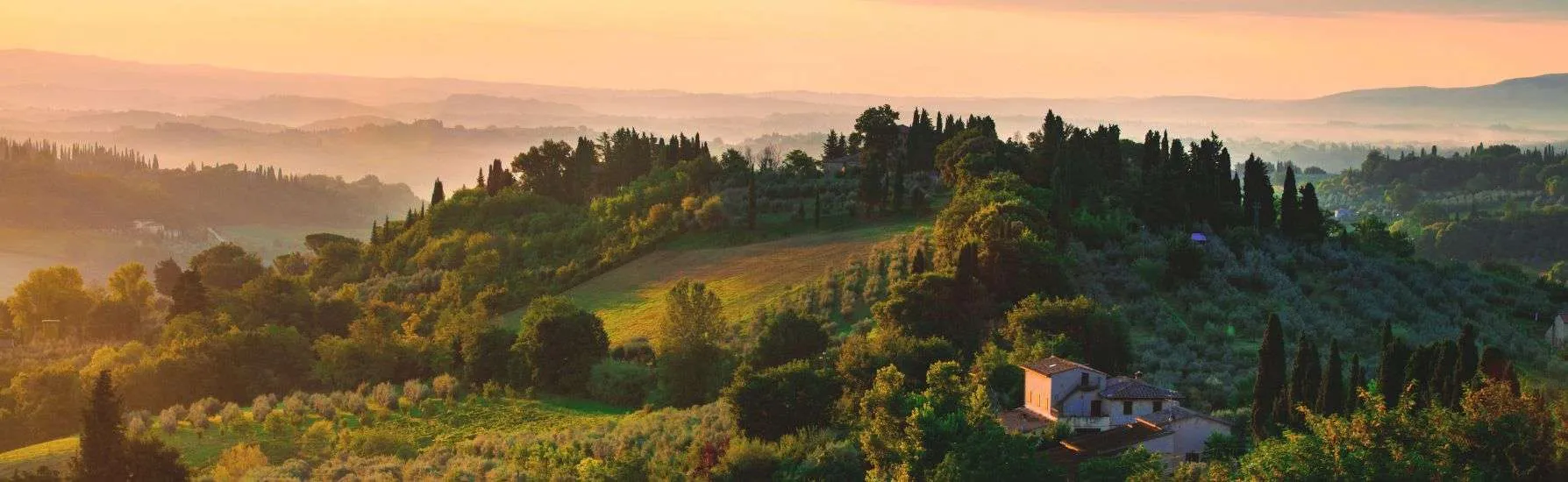
When people think of Veneto, their mind goes straight to the canals of Venice or the Shakespearean balconies of Verona. Yet, nestled between these two pillars, there is a city that offers understated elegance, more human rhythms, and an artistic heritage that has nothing to envy its neighbours: Vicenza, the pearl in the heart of Veneto.
Why choose to move to Vicenza from abroad? Because Vicenza is not only a tourist destination, but an authentic way of life—where the luxury of history meets the calm of an Italian provincial city.
The City of Palladio
An open-air museum
Vicenza is inseparably linked to Andrea Palladio, the architect who influenced the entire world (even the White House in Washington has roots here!). The city itself has been a UNESCO World Heritage Site since 1994, extended in 1996 to include the Palladian villas of the Veneto. The designation celebrates the work of Andrea Palladio, whose classically inspired architecture shaped European and global urban development.
Walking through the historic centre feels like leafing through an art history book—without the overwhelming crowds found in other cities.
- The Basilica Palladiana: despite its name, it is not a church, but an imposing civic building overlooking Piazza dei Signori, similar to the Palazzo della Ragione in Piazza delle Erbe in Padua. With its white-stone loggia, it represents the heart of the city and can even be admired from the panoramic terrace opposite the Sagrato of Monte Berico.
- The Teatro Olimpico: the first enclosed masonry theatre in the world. Stepping inside is almost a mystical experience: the wooden perspectives that deceive the eye still feel alive today. The theatre is still used regularly for performances, events and conferences. With a bit of luck, during a visit you may catch rehearsals for plays or concerts.
- The Venetian Villas: just outside the centre, the countryside is dotted with historic residences such as “Villa Capra”, known as “La Rotonda”, a perfectly symmetrical villa that seems to float over the hills.
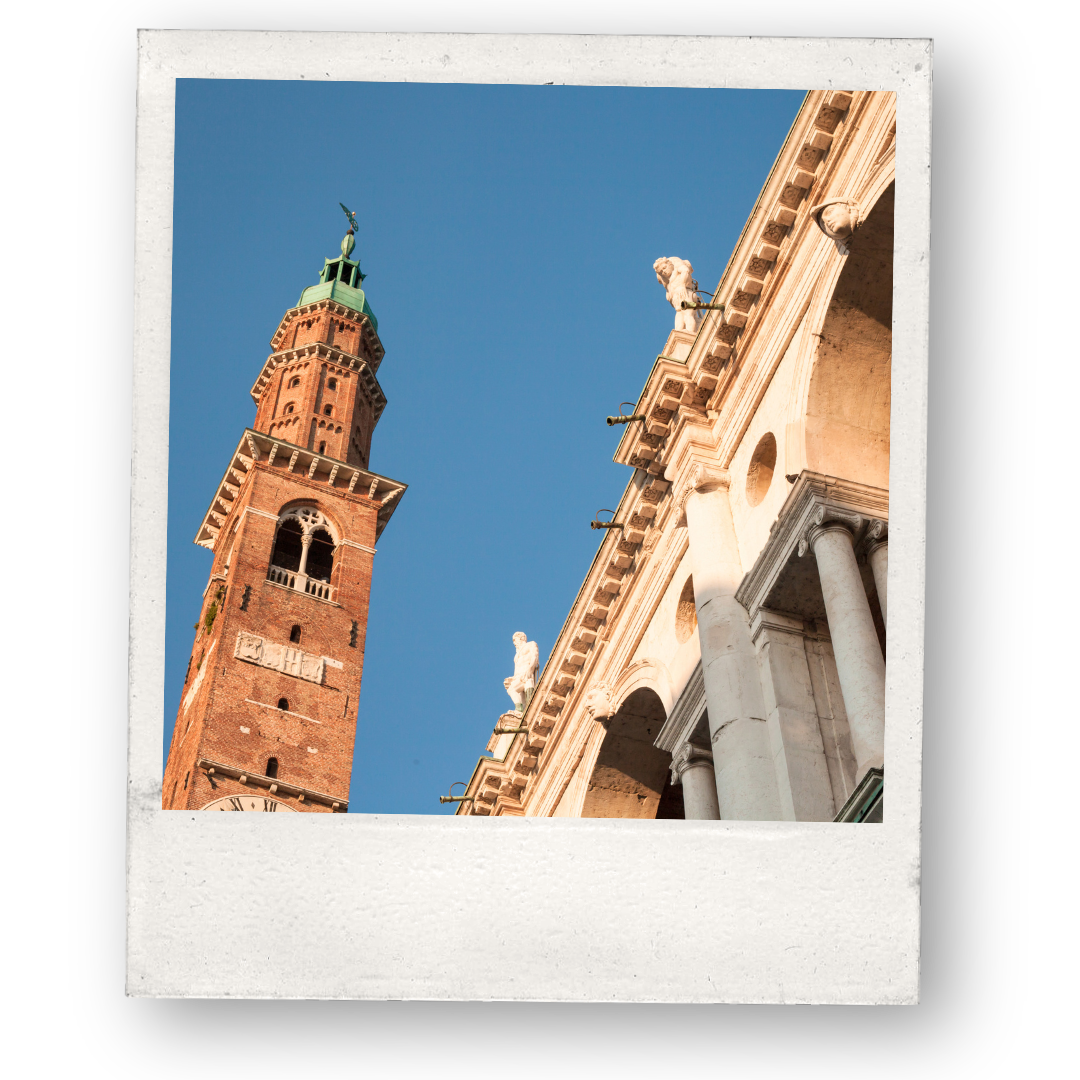
Basilica Palladiana
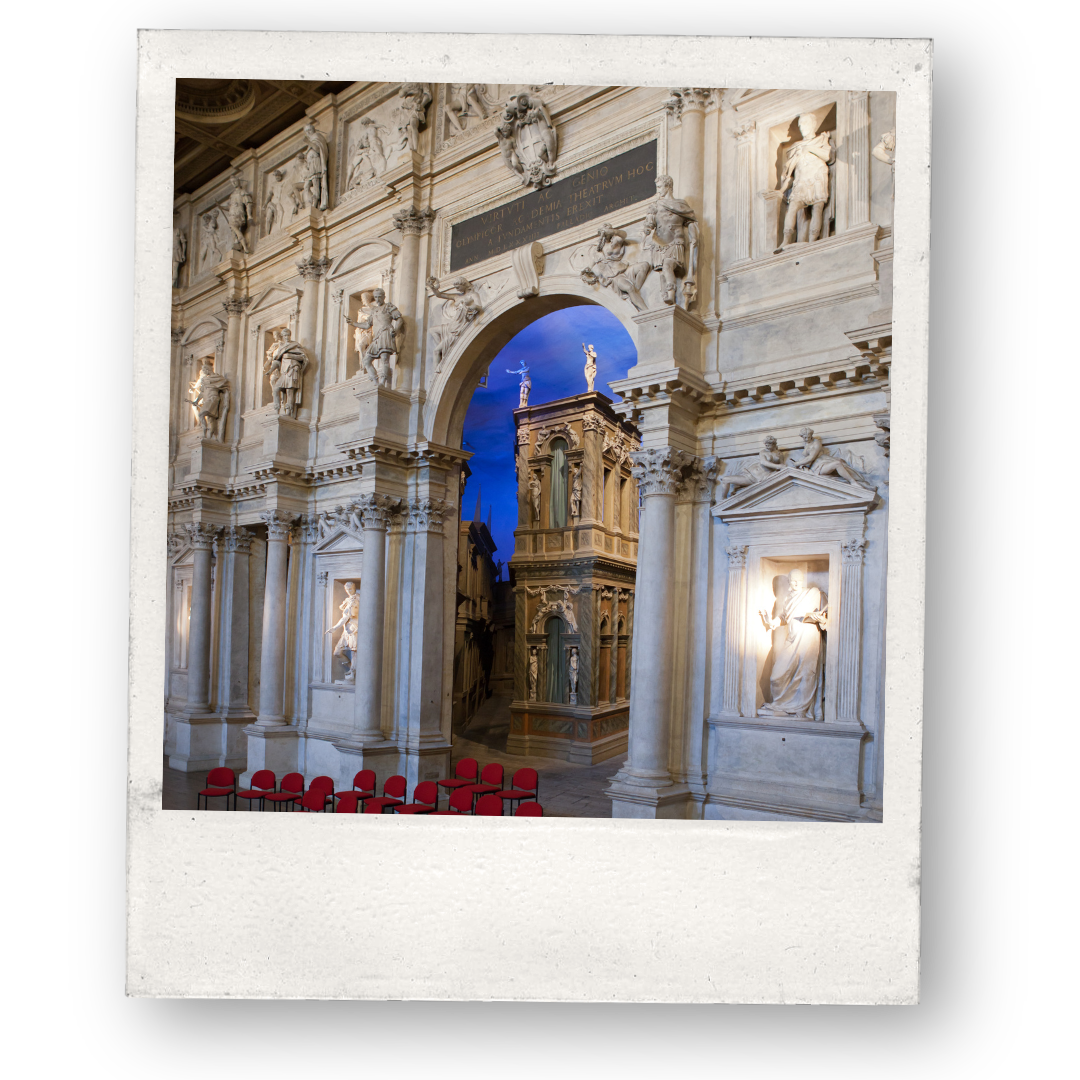
Teatro Olimpico
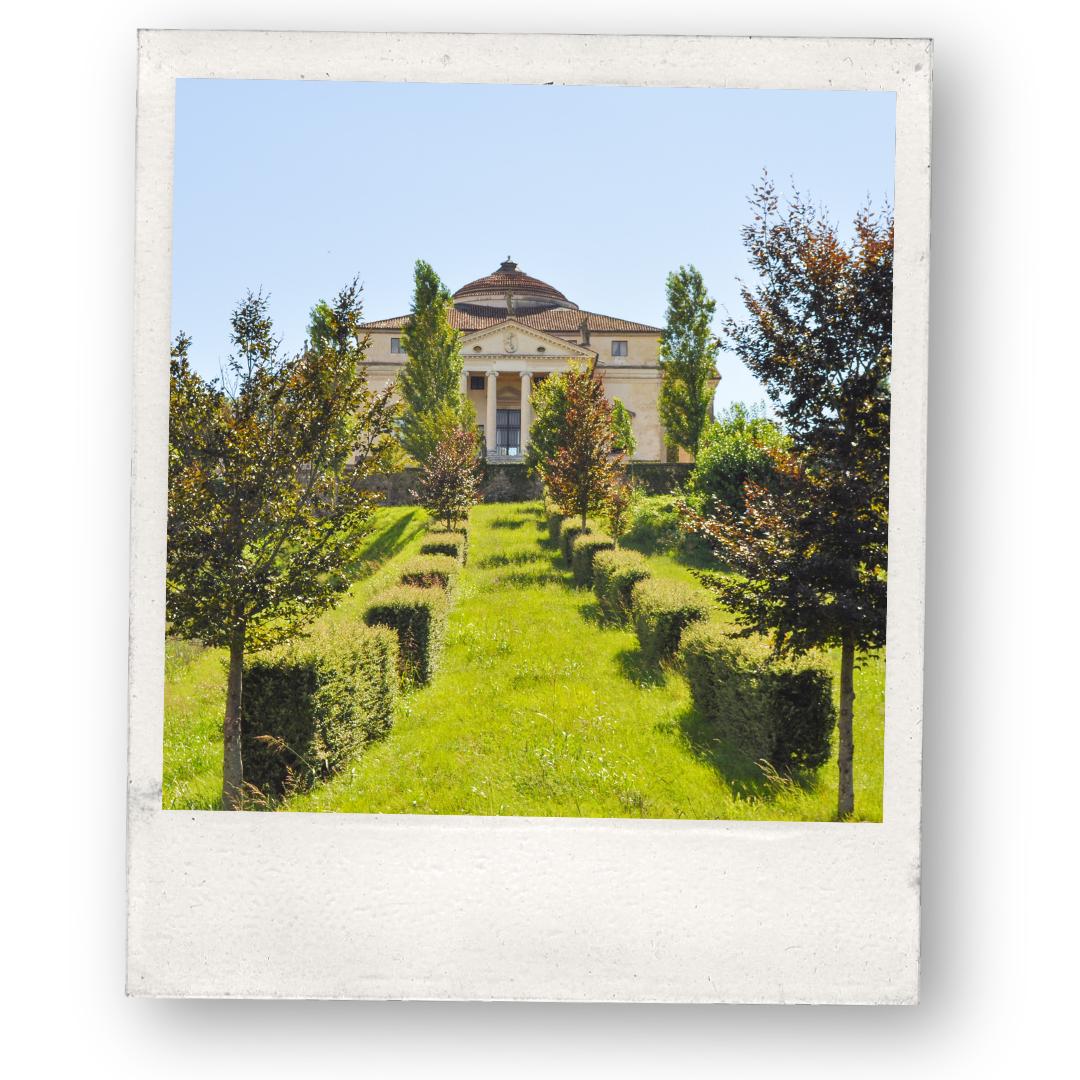
Villa La Rotonda
A city with an authentic flavour
If you are looking for “real” Venetian food, you are in the right place. Vicenza’s cuisine is both hearty and refined. The undisputed king is Baccalà alla Vicentina, dried codfish slowly cooked with milk and onions, served with yellow polenta. It is a dish that requires patience and love—exactly like the city itself. All accompanied by the wines of the Colli Berici, ideal for those who love structured reds or crisp whites.
If you want to discover authentic and flavourful dishes, you will inevitably fall in love with Bigoi co’ l’arna, that is, bigoli with duck ragù. Similar to spaghetti, bigoli are usually made with fresh egg pasta, up to 3–4 mm in diameter, solid inside, traditionally extruded using a bronze press.
What it means to live in Vicenza
The centre for lovers of elegance
Vicenza is not only beautiful to visit—it is also a wonderful place to live.
The Historic Centre is perfect for those who love elegance. Living between Corso Palladio and Contra’ Porti means immersing yourself in history without giving up social life. The centre offers countless corners and bars for aperitifs and coffee with friends, from the most historic ones like Garibaldi in Piazza dei Signori to the more modern spots in Piazza delle Erbe.
Quality of life is extremely high for those who enjoy moving around on foot, among historic shops and elegant cafés. Average prices are around €2,155/m², with higher peaks for penthouses overlooking the Basilica.
Peace and quiet without giving up prestige
If, instead, you prefer an area that is as prestigious as it is peaceful, then Monte Berico is for you. Living here means enjoying fresher air and spectacular panoramic views without giving up proximity to the city. It is a quiet residential area made up almost exclusively of villas and luxury apartments.
Convenience and services
For families, the northern districts such as San Bortolo, Laghetto or Riviera Berica are especially suitable: quiet, well-served areas with plenty of parks. In particular:
- San Bortolo: located near the hospital (which has the same name and is an excellence in the fields of neurosurgery and cardiology), it is a lively area with excellent services. Prices are well balanced (around €1,700–1,900/m²). The San Bortolo district is also home to Parco Querini, one of the largest green lungs in the city centre, covering 12 hectares;
- Laghetto: considered the “greenest” district. Completely flat, rich in parks and cycle lanes that lead straight into the centre. Here, homes (often detached houses from the 1970s–80s) are highly sought after and stay on the market for a short time, also thanks to more affordable prices (around €1,489/m²);
- Riviera Berica: together with Campedello and Borgo Berga, it is the area that has seen the highest growth in recent years (+7% revaluation). Perfect for those who want to be a stone’s throw from the city but already feel in the countryside, with immediate access to cycle routes leading towards the hills (around €1,800/m²).
Explore our in-depth guides on Italian healthcare for retirees and digital nomads
Not just history
Moving to Vicenza does not mean only history and tradition: the city is, in fact, experiencing a period of major urban renewal.
Cycle lanes
The current administration is strongly focusing on sustainability. Vicenza has given a decisive boost to its cycle-lane network, making the city increasingly “bike-friendly”. At the end of 2022, the city had about 65.7 km of cycle paths, and with the new works approved and being completed between 2024 and 2025, more than 6.3 km of strategic cycle lanes have been added.
PNRR investments
About €343,000 has been allocated specifically to connect university hubs with the historic centre, the station and the hospital. A further €400,000 project is completing the urban ring along Viale Risorgimento, essential for those arriving from the surrounding municipalities.
Urban renewal and regeneration
The public works plan for 2025–2027 is substantial and aims to reclaim more degraded areas, transforming them into places for community life.
For 2025 alone, the Municipality has put forward over €15 million for new interventions. Of this, €7.5 million is earmarked for the creation of the New Biblioteca Bertoliana in the former Giuriolo school, a building redevelopment project that will give the city a modern cultural space.
About €2.1 million has been invested in the regeneration of Campo Marzo (the large green area in front of the station), with the aim of improving its appearance and safety through new urban furniture and lighting.
A strategic location
If all of this still is not enough, here is another good reason to move to—and live in—Vicenza: you will have all the beauty of the north-east within an hour. Imagine Vicenza as the centre of a compass: within a radius of 60–80 km you can access three other UNESCO sites (Venice, Verona, Padua), the Dolomites, the largest lake in Italy, and the sea. Living in Vicenza means having the freedom to decide at the last moment whether to spend Sunday on the snow or at the beach—always returning to a safe, quiet, human-scale city, a true pearl at the heart of the region.
By train
Located on the main line connecting Milan to Venice, Vicenza offers fast and very frequent connections.
- Venice: by fast regional trains or high-speed services, you can reach the lagoon city in just under 50 minutes. This means you can have dinner in Venice and return to sleep in the tranquillity of Vicenza with great ease.
- Verona and Padua: both can be reached in under 30 minutes (around 26–27 minutes). You can visit Verona’s Arena or Padua’s Scrovegni Chapel with a journey shorter than what many commuters do within a large metropolis.
- Urban public transport: the bus network (SVT – Società Vicentina Trasporti) is extensive and connects the centre well with the urban belt and neighbouring municipalities. The fleet is being progressively renewed with low-impact vehicles (methane and electric) in line with the city’s new “green” policies.
By car
Vicenza is served by two main motorways:
- A4 (Turin–Trieste): the main axis crossing all of Northern Italy.
- A31 (Valdastico): essential for quickly reaching the mountain areas to the north and the lower part of the province to the south. In addition, the new northern bypass makes it possible to skirt the city centre, drastically reducing travel times for those living in northern districts who need to access major routes.
So, if you prefer the flexibility of your car over the train, in about an hour you can reach the sea, lake or mountains:
- The Asiago Plateau: in about 1 hour and 10 minutes (62 km via the A31 and SP349) you will find yourself in the Venetian Prealps. Asiago and the plateau’s towns are perfect for summer coolness, trekking among mountain huts and Great War sites, or cross-country skiing in winter.
- Lake Garda: driving west for about 1 hour (79 km on the A4), you will reach the shores of Garda. Peschiera del Garda is the gateway for sailing sports, amusement parks, or a relaxing day among the Lugana vineyards.
- The Adriatic Sea: to the east, the coast is about 1 hour and 20 minutes away (100 km on the A4). Jesolo is one of Europe’s most famous beaches, ideal for nightlife, shopping and modern beach clubs.
Conclusion
Vicenza is not merely an Italian provincial city: it represents the perfect combination of historical and artistic beauty, natural landscapes, accessible prices, and a strategic location for reaching equally breathtaking places.
If you are looking for a place where you can feel at home without giving up the many opportunities the area offers, Vicenza is an excellent choice for your new project in Italy.
Share on: