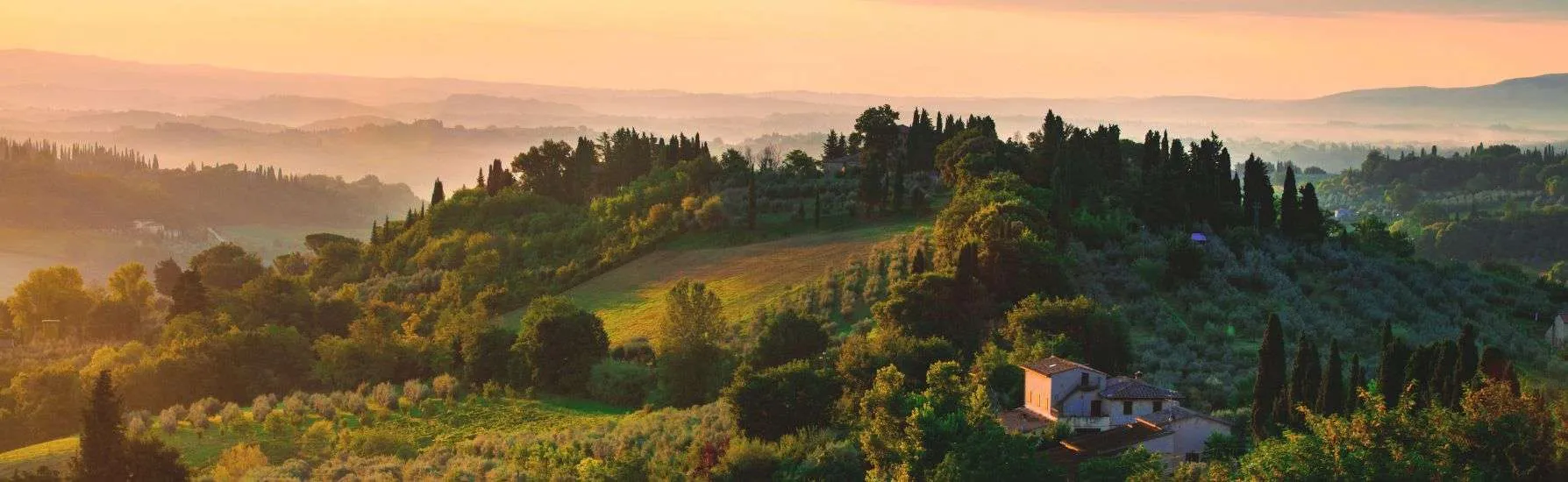
The Val di Noto, Where Time Slows Down

In south-eastern Sicily, eight cities of golden stone rebuilt after the 1693 earthquake form the Val di Noto, a UNESCO World Heritage Site. Ragusa, Modica, Noto and Scicli offer some of the lowest living costs on the island, the sea half an hour away, and a growing international community.

This article covers:

This article covers:

Make us your preferred source on Google
IN BRIEF

The Val di Noto is the Baroque corner of south-eastern Sicily, home to eight UNESCO cities including Ragusa, Modica, Noto and Scicli. For newcomers it offers habitable homes from under €50,000, historic-centre rents of €300-500 a month, the sea 20-30 minutes away, and an unhurried pace of life. A car is close to essential, and English is less widely spoken than in northern Italy.

What is the Val di Noto, and why does it draw people moving to Sicily?

The Val di Noto is the land of late Sicilian Baroque, in the south-eastern corner of the island, inscribed as a UNESCO World Heritage Site in 2002. It groups eight towns: Caltagirone, Militello in Val di Catania, Catania, Modica, Noto, Palazzolo Acreide, Ragusa and Scicli.

Its story begins with a catastrophe. On 11 January 1693 an earthquake levelled south-eastern Sicily, killing tens of thousands. In the decades that followed the towns were rebuilt from scratch in the Baroque style, with a coherence found almost nowhere else: theatrical staircases, concave church façades, palaces with carved stone corbels. To move here is to live inside a work of art born of reconstruction.

For those arriving from abroad the appeal is twofold: the beauty and the price. The Val di Noto is among the most affordable parts of the island to buy or rent, and daily life keeps the rhythm of an authentic Sicily, far from the crowds of the more famous coasts. To get your bearings among the island’s different areas before choosing, our guide on where to live in Sicily is a good place to start.

Ragusa Ibla or Ragusa Superiore: where should you live?

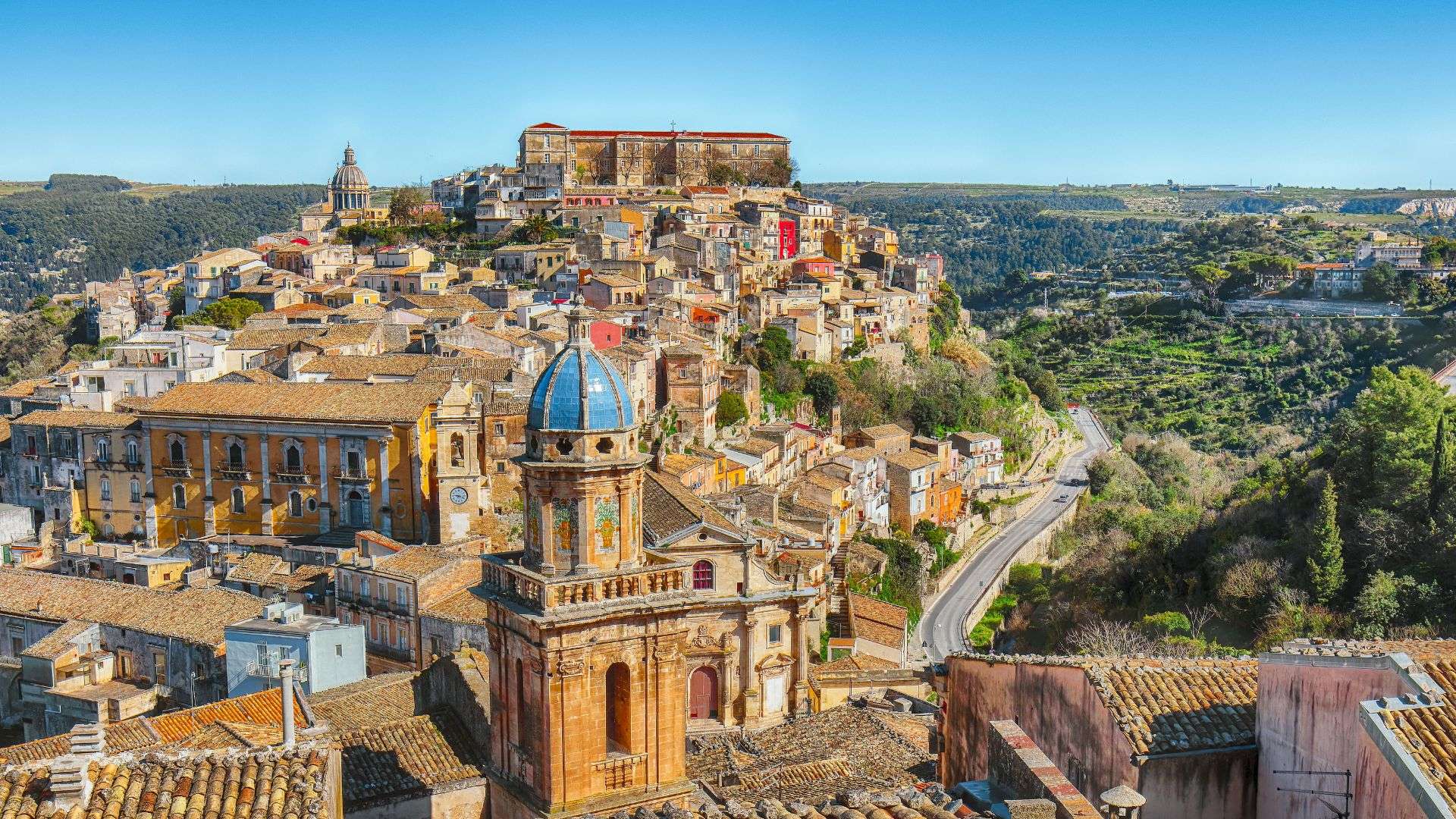
Ragusa has two souls. Ragusa Ibla is the old town, a Baroque maze perched on a rocky spur, crowned by the cathedral of San Giorgio at the top of a grand staircase. It is spectacular and much loved, but the houses are often historic and in need of restoration, and the climbs are demanding for anyone with mobility issues.

Ragusa Superiore is the modern town: shops, offices, the hospital, schools. Less of a postcard, more practical for everyday life. Many foreigners choose Ibla for the charm and Superiore for the convenience; some live in Ibla but keep the car and the essentials up in the newer part.

Among the Sicilian destinations most sought after by foreigners, Ragusa has one of the lowest costs of living — a figure that matters when you are planning a move on a foreign pension.

Ragusa is the capital of its province and offers the services of a mid-sized city: a hospital, a courthouse, secondary schools, offices. Property prices remain among the lowest in the Baroque area: local market surveys (2025) put average asking prices in the town at around €900 per square metre, against roughly €1,050 across the province. As for getting out, Comiso “Pio La Torre” airport (CIY) is about twenty kilometres away, but the international gateway for eastern Sicily remains Catania-Fontanarossa, roughly an hour and a half by car.

Ragusa’s primacy has 19th-century roots. Split for almost two centuries into two separate towns — Ibla, the old city on the rocky spur, and Superiore, the newer town on the plateau — Ragusa reunited them into a single municipality in 1926 and, the following year, in 1927, was made capital of the new province, taking the crown from Modica. Its rise had a concrete engine: asphalt mining. The “pitch stone” of the Iblei mountains fuelled an industry that employed hundreds of miners — around 700 in the Tabuna district alone — and made Ragusa a busy, prosperous city. In the cathedral you can still see a statue of Saint John the Baptist carved from that very asphalt stone.

Il centro barocco di Ragusa Ibla visto dall'alto, patrimonio UNESCO del Val di Noto
Ragusa Ibla, Baroque houses clinging to the ridge with domes rising above the rooftops

Living in Modica: the chocolate town that climbs in tiers

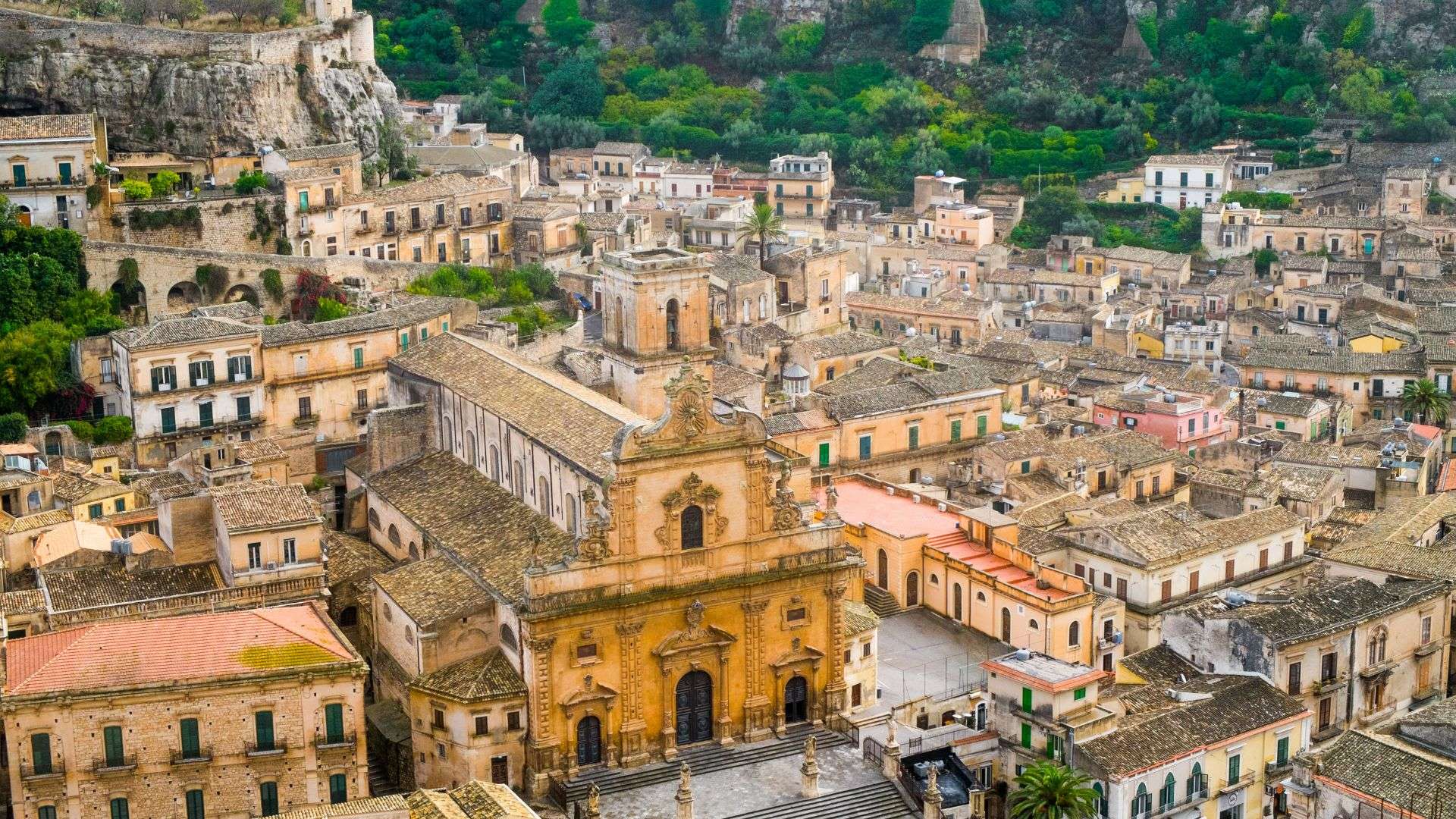
Modica unfolds along a gorge between two hills and lives in two halves. Modica Bassa hums along Corso Umberto I, with its cafés, shops and evening bustle; Modica Alta is the maze of alleys and staircases from which you look down over a sea of rooftops. Linking them is the theatrical staircase of the church of San Giorgio, a late-Baroque masterpiece; lower down stands the second great church, San Pietro. Here you are always looking up.

For centuries Modica was no ordinary town. It was the capital of the County of Modica, the largest fiefdom in the Kingdom of Sicily and one of the most powerful feudal states in the south, a territory that once included today’s Ragusa, Scicli, Ispica and Vittoria. When feudalism was abolished and the County was finally dissolved in 1816, Modica slowly lost that primacy — but its monumental imprint remains, palazzo after palazzo.

Then there is the chocolate, which here is identity before it is confectionery. Modica Chocolate PGI is the first chocolate recognised with the European Union’s Protected Geographical Indication, in 2018: its cold-worked method, which leaves the sugar crystals grainy, descends from an Aztec tradition brought by the Spanish in the years of the County. Its memory is kept by the Antica Dolceria Bonajuto, founded in 1880 on Corso Umberto I and the oldest working chocolate house in Sicily. Try the ’mpanatigghi too — little pastries filled with beef and chocolate, also born in the Spanish era — and the scacce, the stuffed focaccias of Modican tradition.

With around 53,400 inhabitants, Modica works all year round, not just in season: a hospital, schools, a lively commercial life. And it is among the most affordable towns in the Baroque area, with average asking prices around €962 per square metre (2025). For anyone moving from abroad it may be the Val di Noto’s best balance of urban life, services and cost.

La scalinata e la chiesa di San Giorgio a Modica, capitale siciliana del cioccolato
Modica, the Baroque centre set against the rock, with the church of San Pietro

Living in Noto: the capital of Baroque turned luxury hotspot

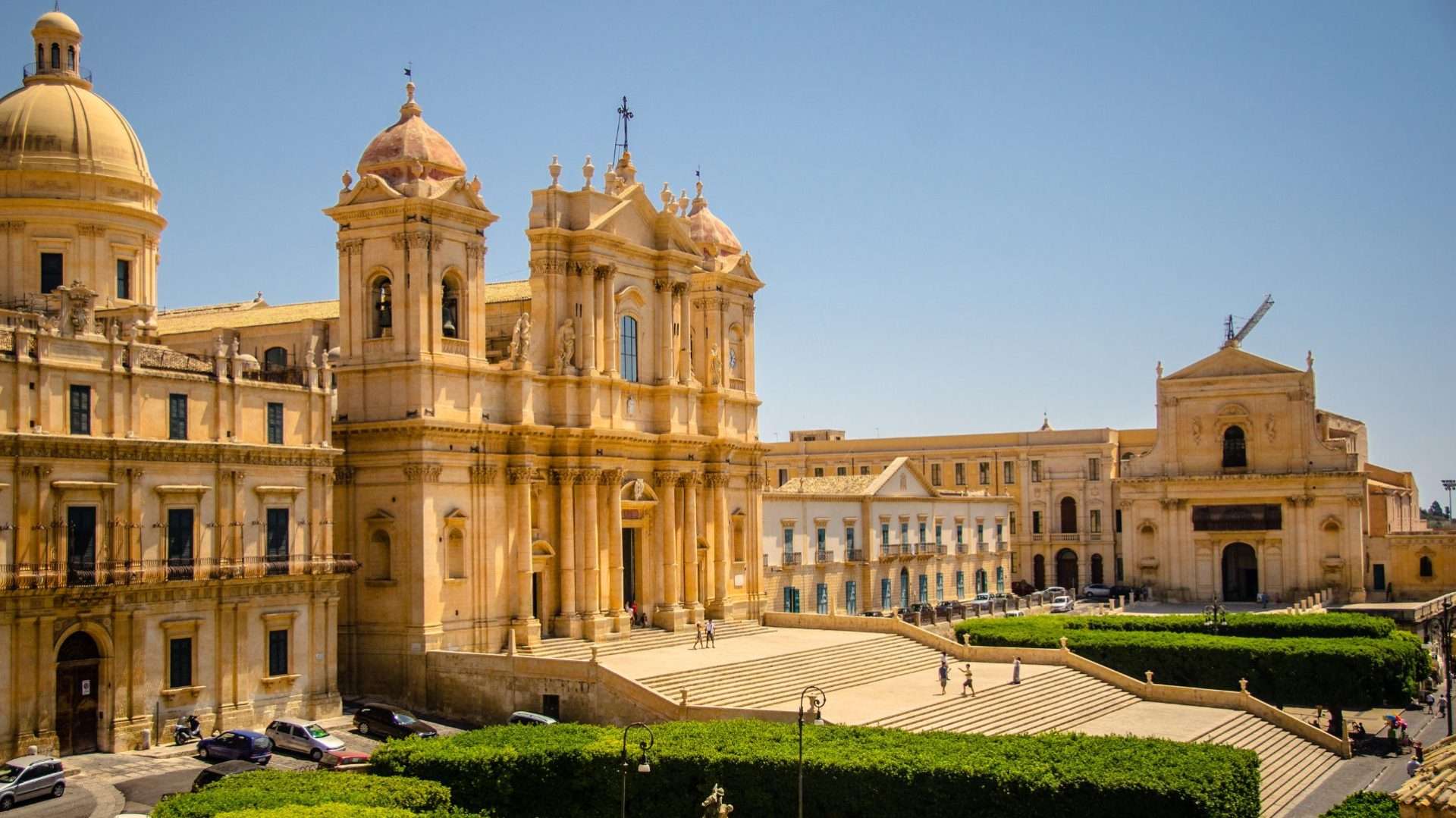
Noto is the most monumental of the eight towns, and it wasn’t born where it stands today. Medieval Noto sat on Monte Alveria, a few kilometres to the north: the 1693 earthquake erased it, and its people chose to rebuild from scratch further down the hill. The result is one of Europe’s most extraordinary feats of town planning, signed by the architects Rosario Gagliardi, Vincenzo Sinatra and Paolo Labisi: Corso Vittorio Emanuele opens like a stage set of churches and palaces in golden tufa stone that seems to catch fire at sunset.

Noto’s symbol is the Cathedral of San Nicolò, and its recent history speaks to the fragility of all this beauty: on 13 March 1996 the dome and naves collapsed, and it took eleven years of work before it reopened, on 18 June 2007. Nearby, Palazzo Nicolaci di Villadorata shows off its famous Baroque balconies, borne on corbels carved with grotesque figures, lions, mermaids and horses. Every year, on the third Sunday of May, the Infiorata carpets the steps of via Nicolaci in flower petals — a tradition born in the early 1980s from a twinning with Genzano di Roma.

Choosing Noto doesn’t mean giving up the sea: minutes away lies the Vendicari nature reserve, with the beaches of Calamosche and San Lorenzo and salt pans visited by flamingos, and further south the fishing village of Marzamemi. The countryside is scented with almond blossom — the Noto almond is a small gastronomic treasure — and dotted with masserie and farm stays.

There is also a historical pearl few people know: in the 19th century Noto really was a capital. By royal decree of 23 August 1837 the seat of the Intendancy — the provincial capital — was moved from Syracuse to Noto, as a punitive measure after the uprisings that had involved Syracuse; Noto held the title until 1865, and in 1844 it also became a diocese.

Today Noto is living a second star turn, this time on the property market. With around 24,300 inhabitants and average asking prices around €1,305 per square metre (2025) — above the regional average — it is the heart of the high-end market in south-eastern Sicily: market analyses reported by the specialist press in 2026 place Noto at the top of Sicily’s luxury bracket between €1 and €3 million, with historic palaces restored into exclusive residences by international buyers. For those moving here it means more services and more cultural life, but also the highest prices in the area.

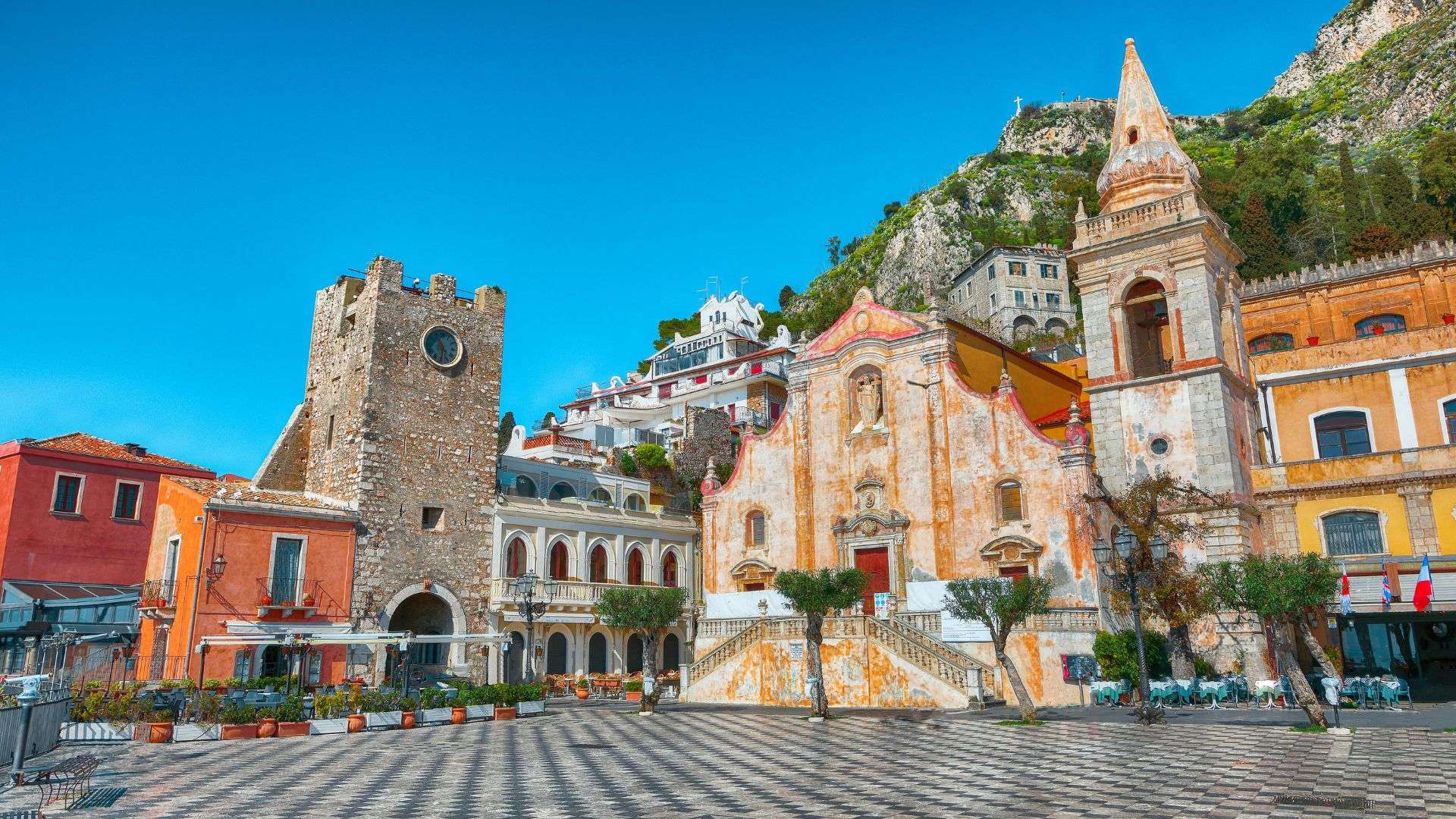
La cattedrale barocca di Noto in pietra dorata vista di lato
Noto, the golden stone that gave its name to the Baroque of the Val di Noto

Living in Scicli: Baroque stone and memory between three valleys

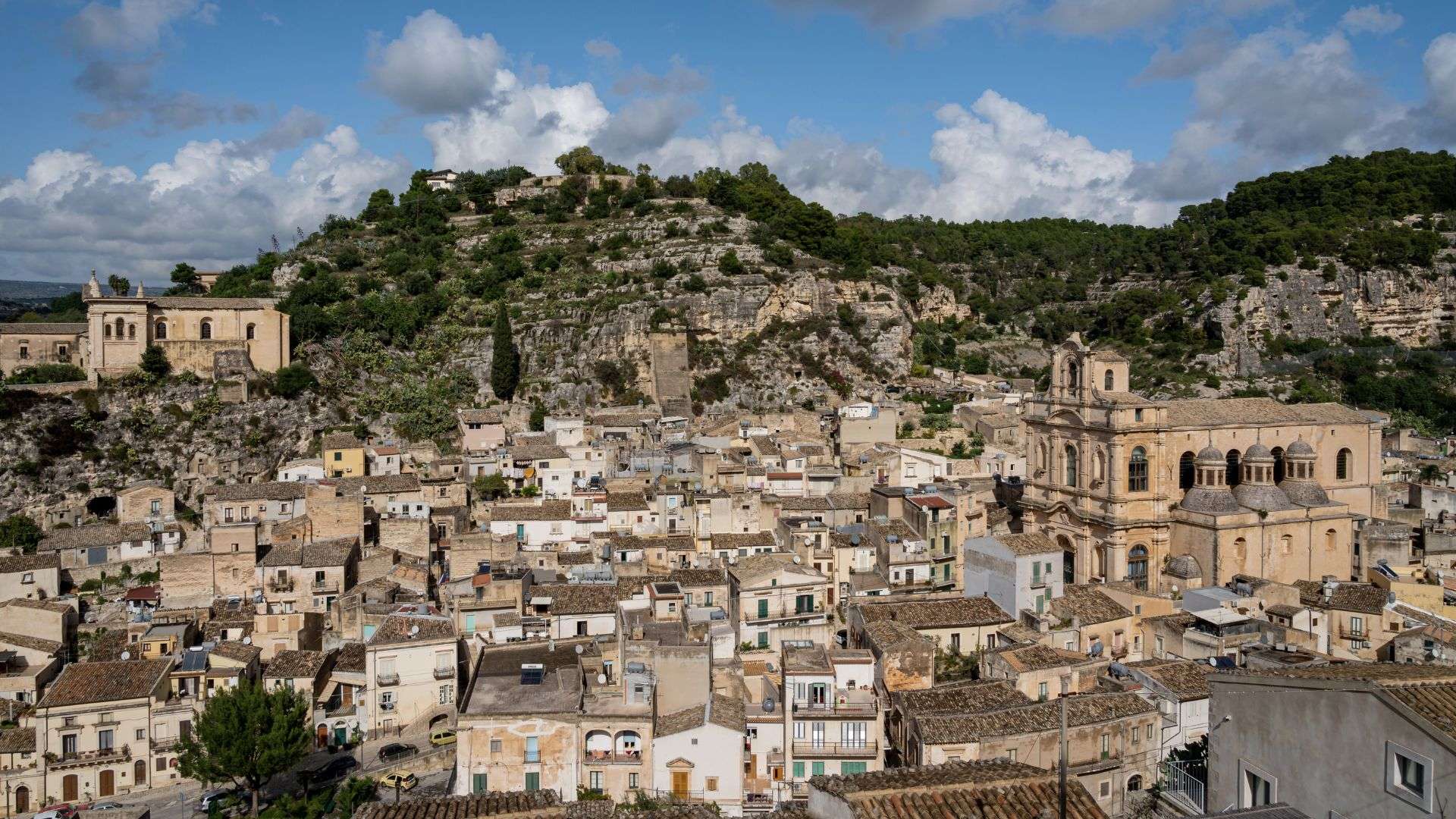
Scicli is set among three rocky valleys, and its beauty is best discovered on foot. Its drawing room is the scenic via Francesco Mormina Penna, a line of honey-coloured palaces and churches among the most elegant Baroque streets on the island; above, the church of San Matteo — the old mother church — watches over the town from its hill 228 metres up. Smaller and more intimate than its Baroque sisters, it has a quieter soul for it.

But Scicli also keeps a harsher memory, and it is worth knowing. On the San Matteo hill lies Chiafura, a district of caves cut into the rock — a Byzantine necropolis turned into dwellings — where people lived until the 1950s. In May 1959 a group of intellectuals, among them Pier Paolo Pasolini, Carlo Levi and Renato Guttuso, climbed up to denounce the misery there; Pasolini compared the caves to Dante’s Purgatory. The residents were later rehoused, and today Chiafura is a page of history that shows how fast this corner of Sicily has changed.

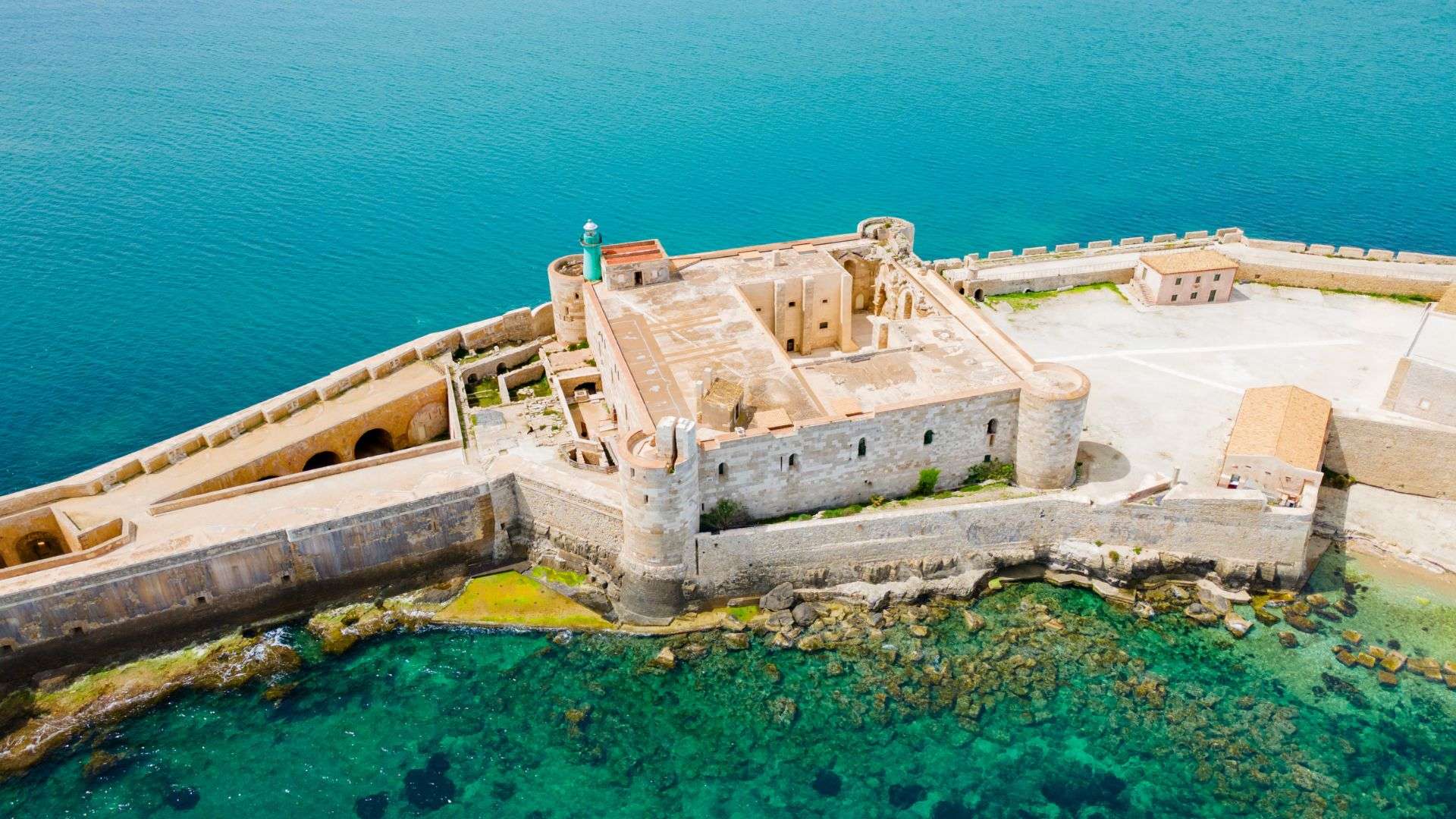
The sea is very close: a few kilometres away stretch the beaches of Sampieri and Donnalucata. At Sampieri, on a headland dropping straight into the water, stands the skeleton of the Fornace Penna, an imposing early-20th-century brick factory (1909-1912) that has become one of the coast’s most iconic images — and a Montalbano filming location.

Despite its small size, Scicli is among the priciest towns in the Val di Noto: around €1,380 per square metre (2025), more than Modica or even the provincial capital. It’s the price of charm, of a limited supply of homes in the historic centre, and of a fame that — thanks to the screen — has crossed Italy’s borders.

Il centro storico barocco di Scicli, set del commissario Montalbano
Scicli at the foot of its rocky ridge, with the church of San Matteo watching from above

How much does living — and housing — cost in the Val di Noto?

The Val di Noto is among the most affordable parts of Sicily for housing, but with sharp differences from one town to the next: Ragusa and Modica remain the most accessible, while Noto and Scicli cost more because they are more in demand. In the historic centres you’ll find rents between €300 and €500 a month, and habitable apartments for sale from under €50,000; homes needing restoration cost far less, often a few tens of thousands of euro.

TownInhabitantsAvg asking price (€/m², 2025)What sets it apart
Ragusaprovincial capital~900Baroque Ibla + practical Superiore
Modica~53,400~962Chocolate PGI, former County capital
Noto~24,300~1,305Capital of Baroque, luxury hotspot
Sciclismall town~1,380Montalbano’s “Vigàta”

Average asking prices from property-portal surveys (2025); population: ISTAT. Indicative values, to be checked property by property against the Revenue Agency’s OMI quotations. For reference: historic-centre rents €300-500/month, the sea 20-30 minutes by car.

Elite Residency — a tailored path for significant wealth

See Italy as your home base and want a tailored path for significant wealth? Elite Residency designs the tax and asset strategy with you.

Exact price-per-square-metre figures should be checked town by town against the Italian Revenue Agency’s Property Market Observatory (OMI) before buying. If you’re weighing a home to restore, see our guide to buying a house in Sicily’s best villages, and anyone buying or renovating on the island should know the tax benefits available in Sicily.

Silver Move — for those retiring to Italy

If the Val di Noto is where you plan to retire, Silver Move guides foreign retirees through the move step by step, from the visa to residency.

Why is the Val di Noto drawing more and more international buyers?

South-eastern Sicily has become one of the epicentres of foreign property demand in Italy. In 2026 Sicily confirmed its place as an international destination in the high-end segment, with interest from foreign buyers growing and increasingly aimed at living there, not just investing.

The numbers show where they come from. In Italy’s prestige-property market, American buyers lead foreign demand at around 28%, ahead of the British (about 11%) and Germans (about 7%); Belgians and Austrians grew sharply in 2026. And the Val di Noto sits in the right place: the province of Syracuse — which includes Noto — alone accounts for around 30% of the international buyers of seaside homes in Sicily.

For anyone moving here that cuts two ways. On one hand a growing international community and services that adapt; on the other, rising prices in the most sought-after spots such as Noto. Nearby towns — Modica, Ragusa, Scicli — remain more affordable and, for many, offer the best balance of beauty and cost.

Property Finder — to find and assess your home

Property Finder assists those searching for a home in Sicily from abroad: property selection, viewings, technical checks and negotiation.

Do you need a car? Getting around the towns and to the sea

Yes — in the Val di Noto a car is close to essential. Public transport between the Baroque towns is infrequent, and the sea, though near, is comfortably reached only by car: from the beaches of Marina di Ragusa to Sampieri, from Punta Secca — Montalbano’s “Marinella” — to Marzamemi, the coast is twenty to thirty minutes from the hilltop centres.

Two-wheel lovers, though, will feel right at home: a scooter is the ideal way to weave through the alleys of the historic centres, park with ease and reach the coves freely, helped by the mild climate that lasts much of the year.

Anyone arriving from a large American or northern-European city should plan for this change of habits: here life is organised around the car and a slower pace, not around dense public transport.

What international community is there, and how easy is it to settle in?

The Val di Noto has a growing community of foreigners, fed by restoration projects and small-scale hospitality — B&Bs, carefully restored homes — often started by people who moved here themselves. It is a less conspicuous community than those of Taormina or Palermo, but a real one.

One honest note: in Sicily English is less widely spoken than in northern Italy, and in the smaller towns less still. Sicilians respond warmly to anyone who tries to speak Italian, but learning the language here isn’t a nicety — it’s the key to genuinely belonging.

Montalbano’s Val di Noto: the corner Sicily saw on screen

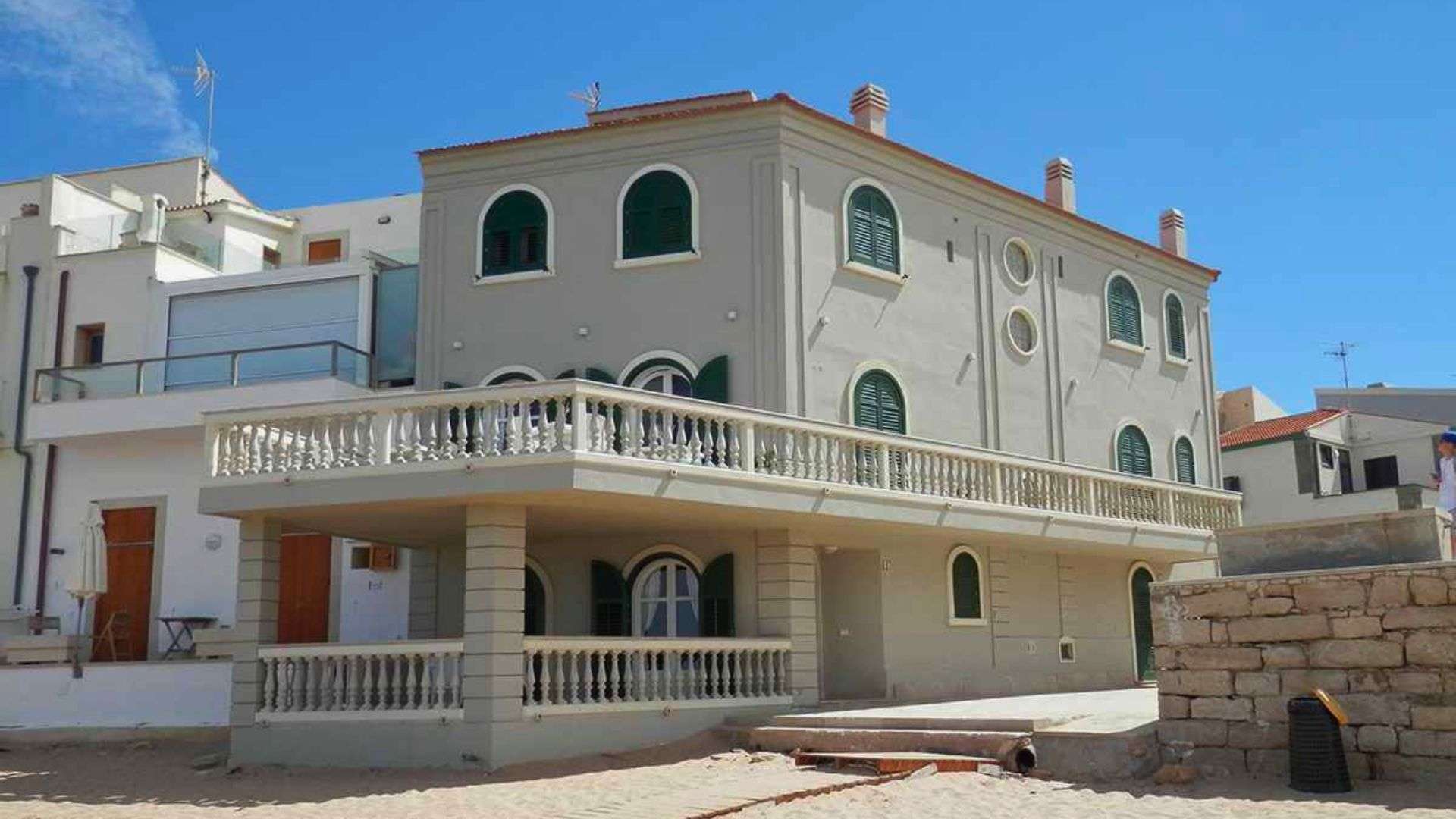
For over twenty years the Val di Noto has been the set of Inspector Montalbano, and Andrea Camilleri’s imaginary “Vigàta” has a very real address: it is scattered across these towns. Scicli’s town hall plays the police station, Ragusa Ibla is the backdrop to the inspector’s walks, and at Punta Secca, a tiny seaside hamlet near Santa Croce Camerina, stands the most photographed house in south-eastern Sicily: Montalbano’s villa facing the beach, now a bed and breakfast, with the terrace from which the inspector dives into the sea on the opening pages of the novels.

This literary tourism has reshaped the economy of whole villages — Punta Secca, Donnalucata, Marina di Ragusa — bringing visitors all year round and, with them, a steady stream of foreigners who came back to stay after the holiday. It is one of the ways south-eastern Sicily made itself known to the world, long before today’s property boom.

La casa del commissario Montalbano a Punta Secca, sulla spiaggia di Marina di Ragusa
Inspector Montalbano's house at Punta Secca, its veranda opening onto the sand

Conclusion

The Val di Noto isn’t the postcard Sicily of crowded beaches: it’s a Sicily of stone, gorges and staircases, where a low cost of living and everyday beauty come with the need for a car and a little Italian. For a retiree or a remote professional after authenticity rather than just views, it may be the island’s most balanced corner. Choosing between Ragusa, Modica, Noto and Scicli comes down to a single question: do you want the convenience of the city, the culture of monumental Baroque, or the quiet of a small town?

Sources

Share:

FAQ

Ragusa is among the most sought-after Sicilian destinations for foreigners with one of the lowest costs of living, but smaller towns and homes needing restoration bring the outlay down further. Exact prices should be checked town by town against the Revenue Agency’s OMI quotations.

Yes. Public transport between the Baroque towns is infrequent and the sea is comfortably reached only by car. For everyday life in south-eastern Sicily, a car is effectively essential.

The beaches of the Ragusa coast and the Marzamemi area are 20-30 minutes by car from hilltop centres such as Ragusa, Modica and Scicli.

Yes, and it is growing, often tied to restoration projects and small-scale hospitality. It’s less visible than those of Taormina or Palermo, but active.

Ragusa offers more services and the split between scenic Ibla and practical Superiore; Modica has a remarkable food scene and the same Baroque beauty. It depends on how much weight you give to services versus a more intimate size.

Yes. In the historic centres and smaller towns you’ll find properties to recover for a few tens of thousands of euro, while already-habitable homes start under €50,000. Every purchase should be assessed with a technical and land-registry check.

Very much so. South-eastern Sicily is among the Italian areas most sought after by foreign buyers: the province of Syracuse, which includes Noto, accounts for around 30% of the international buyers of seaside homes in Sicily, and Noto leads the island’s luxury market. Nearby towns such as Modica, Ragusa and Scicli remain more affordable.

DISCLAIMER

The information provided on this website is for general informational and illustrative purposes only. It does not constitute legal, tax, financial or professional advice and should not be relied upon as such.
While we strive to ensure the accuracy and timely updating of all content in accordance with current laws and regulations, we accept no responsibility for any errors, omissions, misinterpretations, or changes in legislation that may occur after publication. Any decisions or actions taken based on the information contained on this website are undertaken at the user’s sole risk.

Our services

Did you enjoy
this article?

Discover how we can help you relocate or invest in Italy with our dedicated services.

Tailored planning to live or invest in Italy.

Property purchase and management in Italy.

Relocation assistance for visas and residence permits.

Support for businesses and investors choosing Italy.

MAgazine

Stay up To Date!

Subscribe to our newsletter to stay up to date with the latest news.