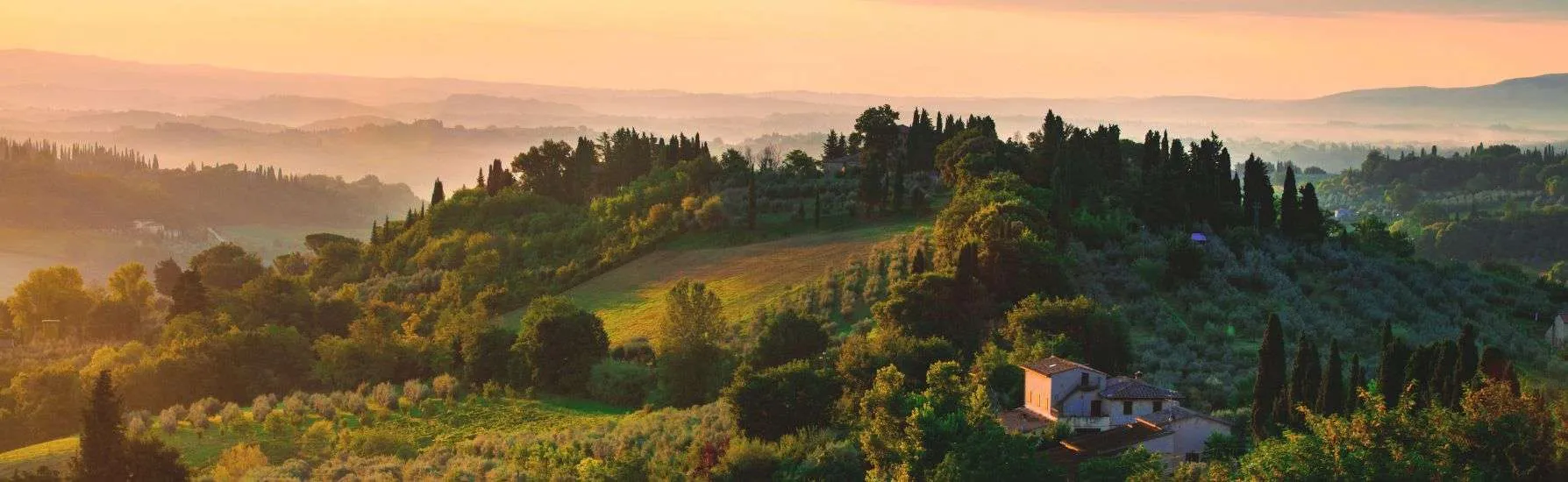
Choosing where to live in Veneto isn’t about the region’s name — few English speakers search “Veneto” — but about which of its five faces fits you: Verona and the Amarone hills, international Lake Garda, the efficient plain of Padua and Treviso with the UNESCO Prosecco Hills, the double city of Venice and its mainland, and the Dolomites, where prices in Cortina are up 2.5% year on year after the February 2026 Olympics (borsinoimmobiliare, July 2026). In May 2026 the average asking price to buy in Veneto was €1,917/m² (about $2,190 at the ECB rate of 30 June 2026, €1 ≈ $1.14), ranging from €960/m² in Rovigo to over €12,000/m² for prime Cortina. And three Veneto provinces — Treviso, Verona and Padua — rank in Italy’s top ten for quality of life (Il Sole 24 Ore, December 2025).
Why is Veneto back at the top of relocation shortlists?
Here’s a figure that surprises anyone who pictures Veneto as just a string of tourist stops. In Il Sole 24 Ore’s quality-of-life ranking published in December 2025, three Veneto provinces sit in the national top ten: Treviso sixth (up eighteen places in a year), Verona seventh, Padua ninth. It’s not a fluke — it’s the portrait of a region that, beneath the postcard, simply works.
And this is the part nobody usually tells you. Veneto doesn’t attract because it’s cheap — it isn’t, and the numbers prove it — but because it gives back something rare: widespread services, top-tier healthcare, an intercontinental airport and high-speed trains, all without having to live in a metropolis. Those who move here aren’t buying a view: they’re buying time saved, short distances, a region that runs.
There’s one misconception to clear up first, because it’s the source of most mistakes. Real demand almost never runs through the word “Veneto” — least of all in English, where the region name means little. It runs through Verona, Lake Garda, Padua, Venice and the echo of the Dolomites after the Games. So the real question isn’t whether to move to Veneto, but which Veneto.
Veneto is not one region: it’s five different worlds
Before talking prices, healthcare or tax, it helps to fix a mental map. Veneto lives at five speeds, each with its own economic and human logic.
There’s the art-and-hills Verona, where the city reaches up into the Amarone and Soave vineyards. There’s Lake Garda, an international property market with rules of its own. There’s the efficient plain of Padua and Treviso — services, universities and the Prosecco Hills. There’s the double Venice, the dreamlike island and the practical mainland. And there’s the Dolomite mountains, living the hottest season of their property market after February 2026.
Choosing one without knowing the others is the classic error. People arriving with a single image in their head usually get it wrong: they fall for Cortina without realising it’s Italy’s most expensive market, dream of the lagoon without imagining what daily life there means, or chase southern sunshine and find January fog on the plain. The next sections exist precisely to prevent that.
Where to live in Veneto: the big areas and their hills
The most common mistake, when you think about relocating, is to look first for the prettiest place. The right question is different: which part of Veneto would carry my daily life with least friction? The difference is rarely the charm, but the details you only notice later — fog, weekend traffic towards the lake, the real distance to a hospital, the months when a resort empties or fills.
Verona, Valpolicella and Soave
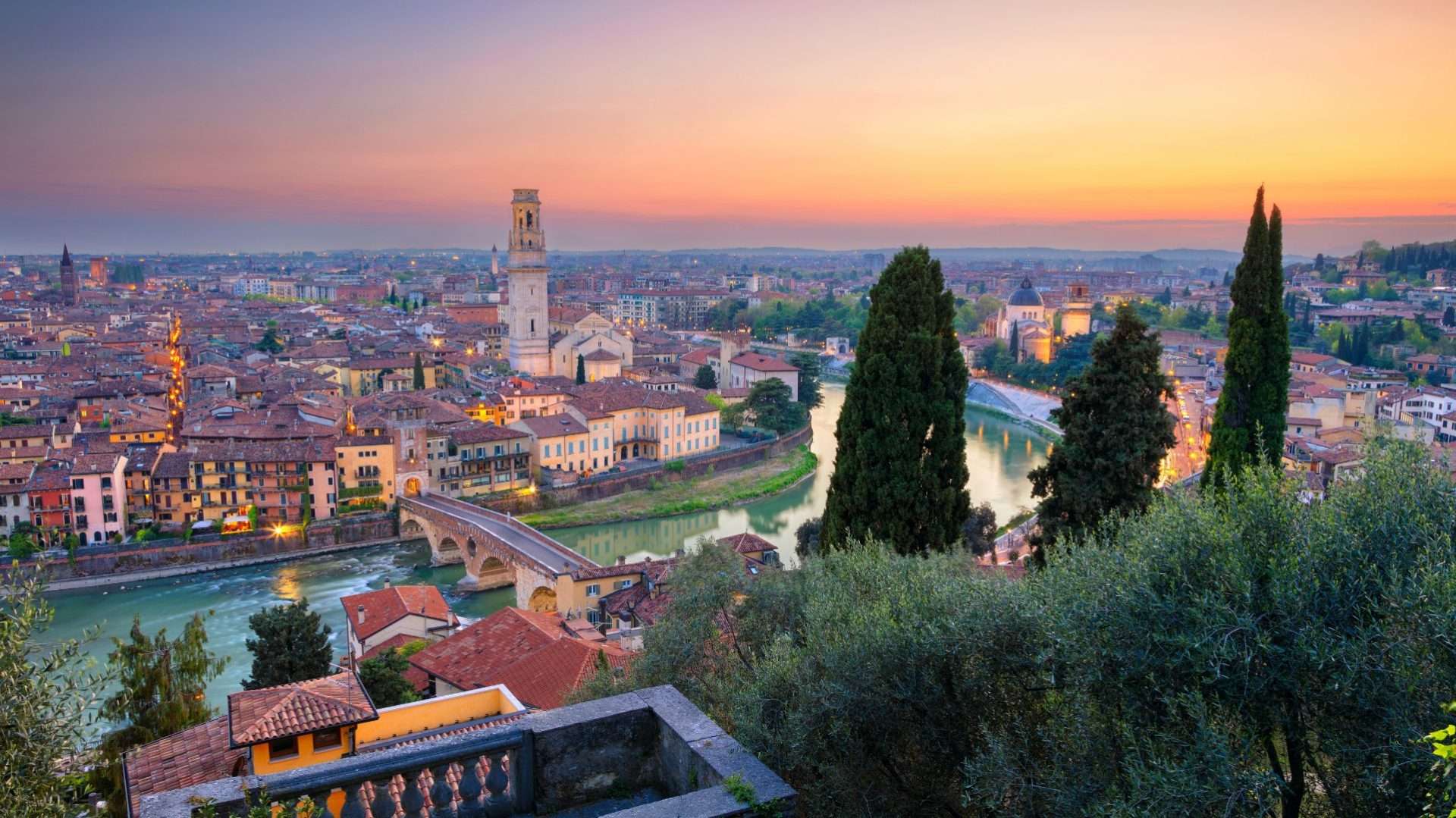
Verona is, for many, Veneto’s best compromise: a genuine art city on a human scale, alive all year. It’s no coincidence it hosts two institutions that project it worldwide: the Arena, the largest open-air opera house on the planet with around 13,500 seats, and Vinitaly, the leading international wine fair, which in its 2026 edition drew about 90,000 visitors from 135 countries and 4,000 companies. But the secret of those who settle well is that they rarely stay downtown: they climb into the hills. Valpolicella, home of Amarone and historic wineries such as Allegrini, Bertani and Serego Alighieri, and Soave, with its walled village and white wines, offer space and greenery minutes from the city. In May 2026 the province of Verona is among Veneto’s most expensive (€2,409/m², +10.9% in a year): a dynamic market to read neighbourhood by neighbourhood, hill by hill.
Lake Garda: an international market with its own rules
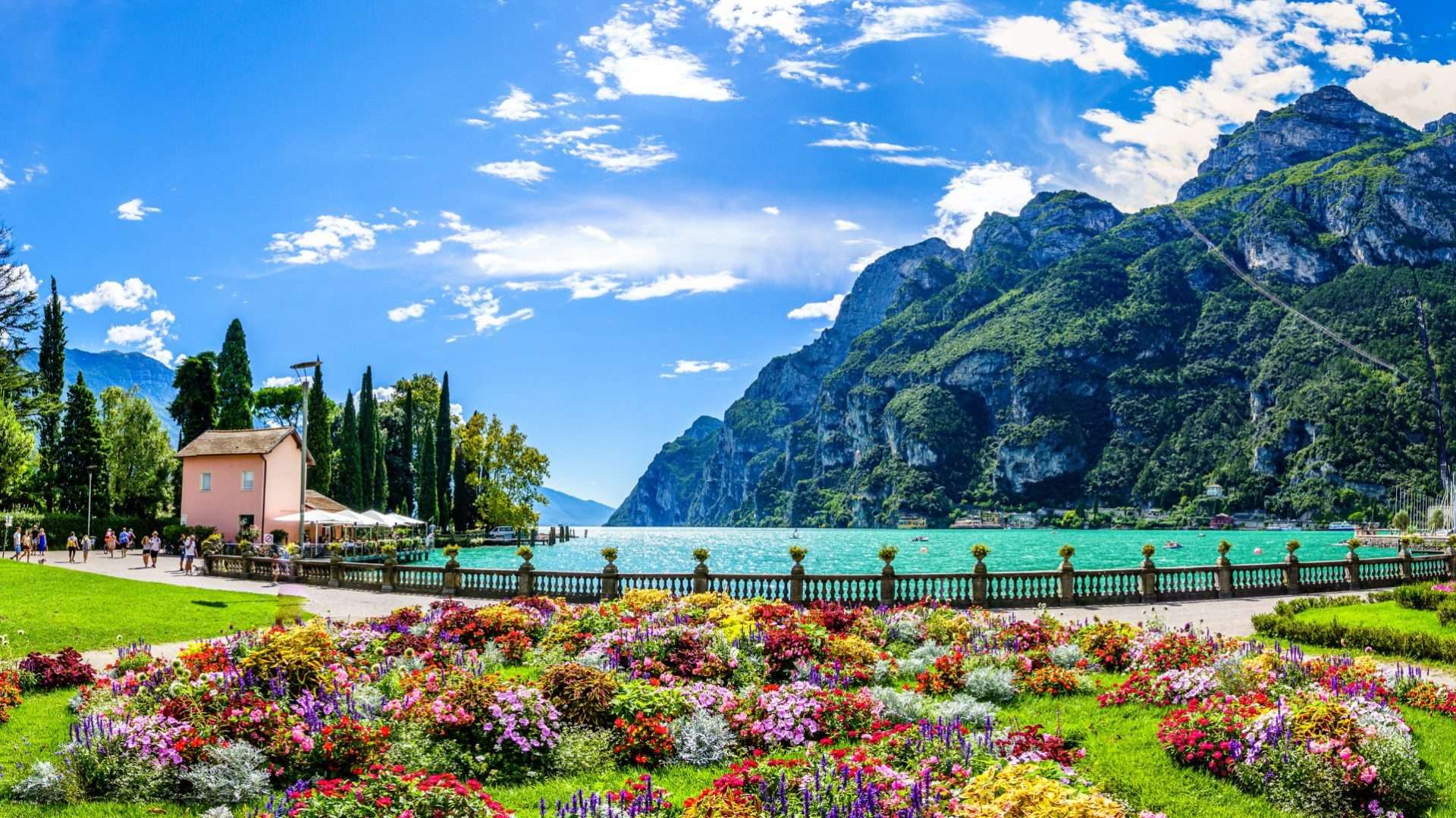
On Lake Garda life has another rhythm, and geography explains it. The lake is a wind engine: the Pelèr blows from the north in the morning, the Ora from the south in the afternoon — which is why its shores are one of Europe’s capitals of sailing and windsurfing. The same mild microclimate ripens olives and lemons at an unusual latitude — Garda DOP extra-virgin olive oil is among the northernmost in the world — and yields the wines of Bardolino and Lugana. The Verona shore — Bardolino, Lazise, Garda, Peschiera — is the most sought-after by foreigners and in the second half of 2025 ran ahead of the rest of the lake (+4% in prices, against Garda’s +2% average, per Il Sole 24 Ore).
The buyer, though, has changed. For years Garda was almost only German, Austrian and Swiss; today it speaks many languages, with Poles, Czechs, Hungarians, Belgians, French, Dutch and the first Americans arriving, while Italians are back to about half the market. It’s a prime market — in Bardolino the average asking price reached about €5,483/m² in April 2026 — and for many owners the home is also income: on the lake, short lets are a genuine seasonal goldmine. One tip worth gold: see it in November, not just August, because between the summer crowds and the winter silence there’s another country, and July’s perfect house can feel isolated in January.
Padua, the Euganean Hills and the spa towns
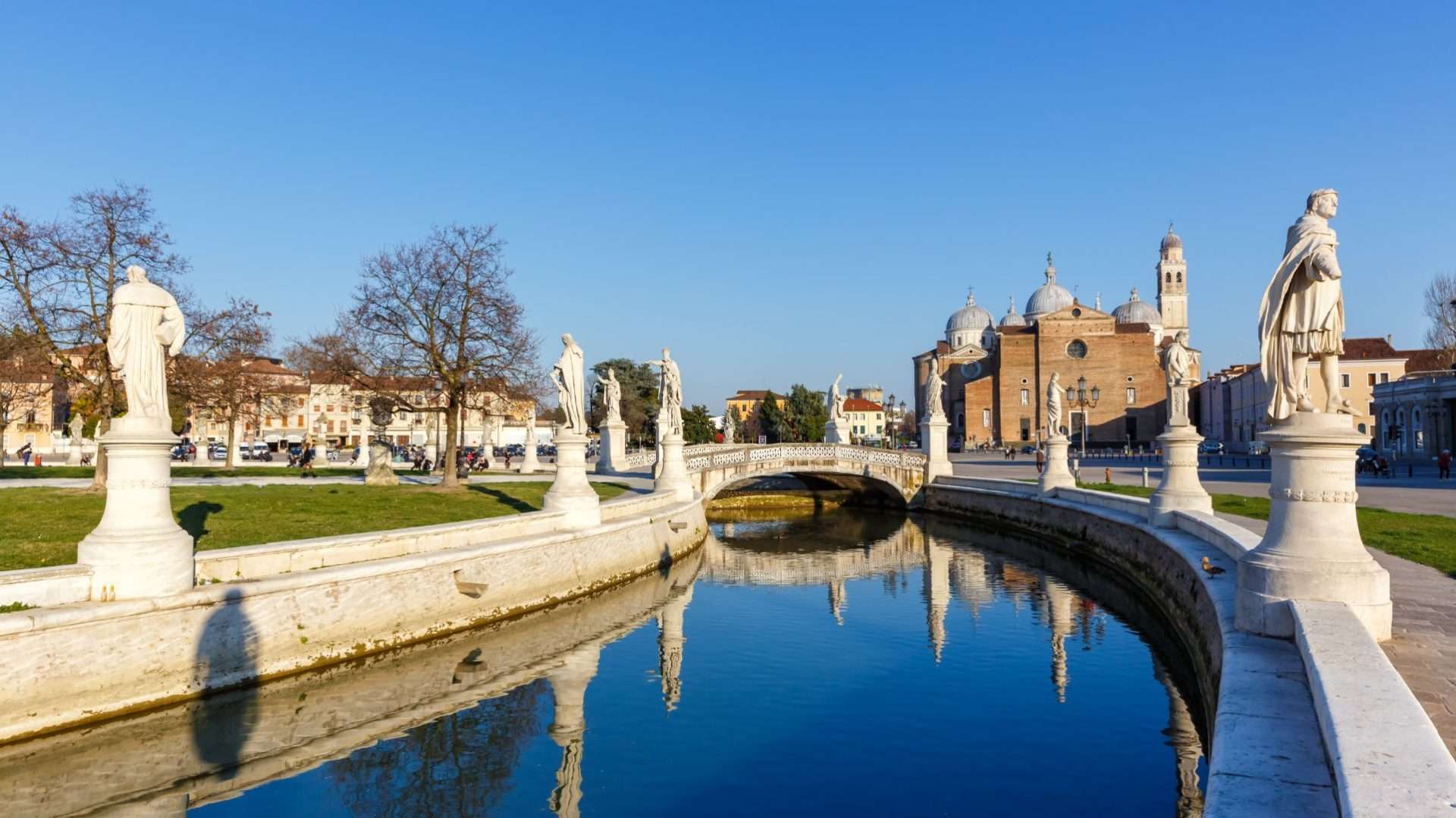
Padua is Veneto’s rational choice, and its density of history is startling. Its university, founded in 1222, is among the oldest in the world: Galileo taught here, and Palazzo Bo holds the world’s first permanent anatomical theatre, from 1594. The Botanical Garden, from 1545, is the oldest university botanical garden in the world and a UNESCO site since 1997; the Scrovegni Chapel, frescoed by Giotto between 1303 and 1305, is the heart of the UNESCO site “Padua Urbs Picta” (2021); and Prato della Valle, at 90,000 m², is the largest square in Italy. Beyond the beauty, Padua offers one of the country’s top hospitals, high-speed rail and a more affordable market than nearby Venice (€1,846/m² across the province in May 2026). Those seeking quiet a step away look to the Euganean Hills, a regional park of volcanic cones and vineyards, and the spa towns of Abano and Montegrotto, one of Europe’s largest thermal areas — ideal for anyone retiring in Italy.
Moving to Vicenza from abroad: the quiet pearl of Veneto

A little further west, Vicenza — a Palladian UNESCO city — remains one of the best-kept secrets: beauty, contained prices (€1,476/m² across the province) and hub-like connections, with Venice, Verona and Padua all a short train away.
Treviso, the Marca and the Prosecco Hills (UNESCO)
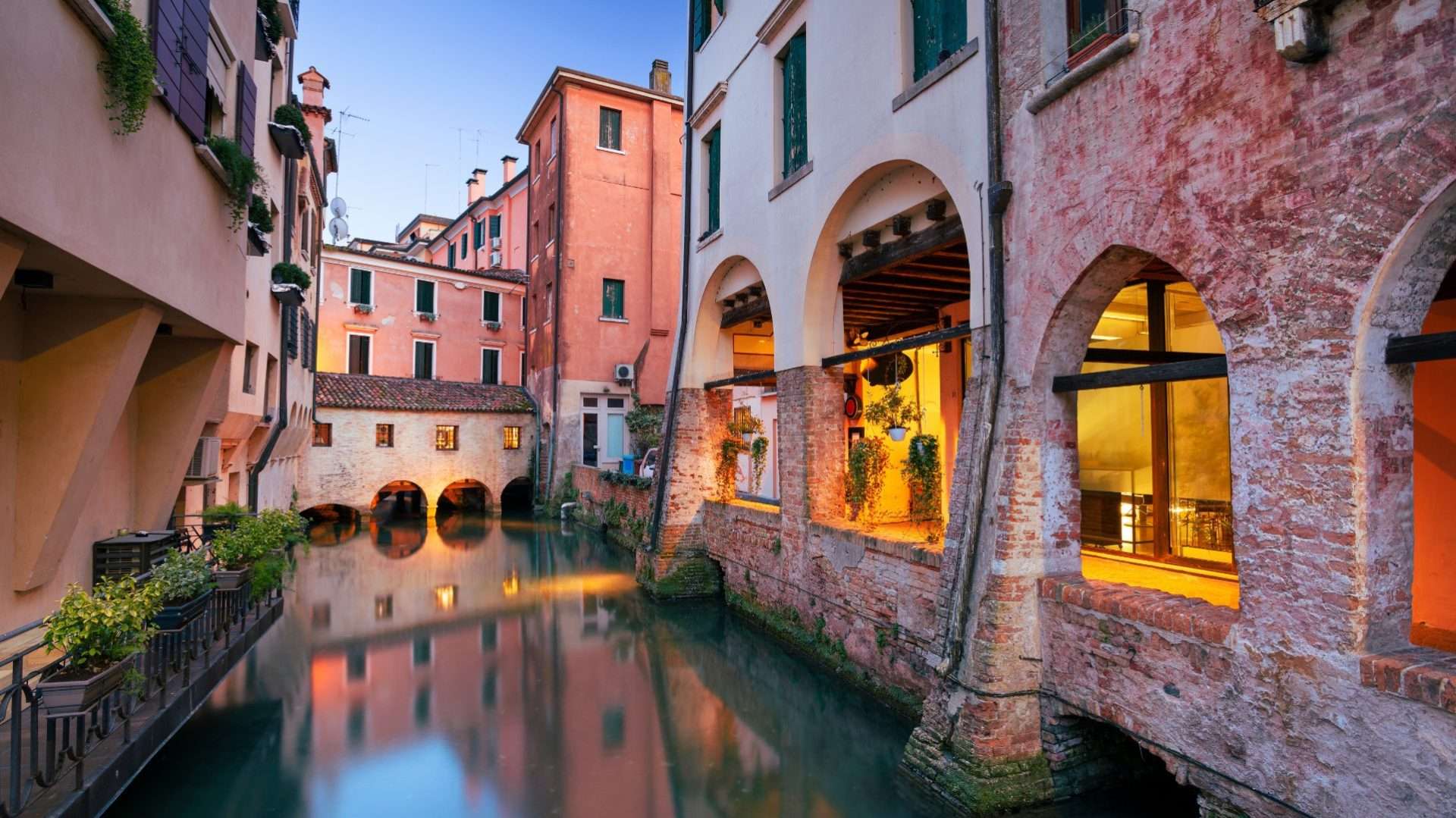
Treviso is the statistical surprise of 2025: sixth in Italy for quality of life, up eighteen places in a year. The city is compact, threaded with canals — a little inland Venice — and gave the world radicchio and tiramisù. Around it, the Marca Trevigiana and above all the Prosecco Hills of Conegliano and Valdobbiadene, a UNESCO World Heritage Site since 2019, draw one of the most famous farmed landscapes on earth, of grassy terraces and vertical vine rows; Conegliano is home to Italy’s oldest wine school. Living here means a wine country half an hour from Venice, with provincial prices (€1,816/m²) still far from the lagoon’s.
Venice and the mainland: the lagoon or Mestre?
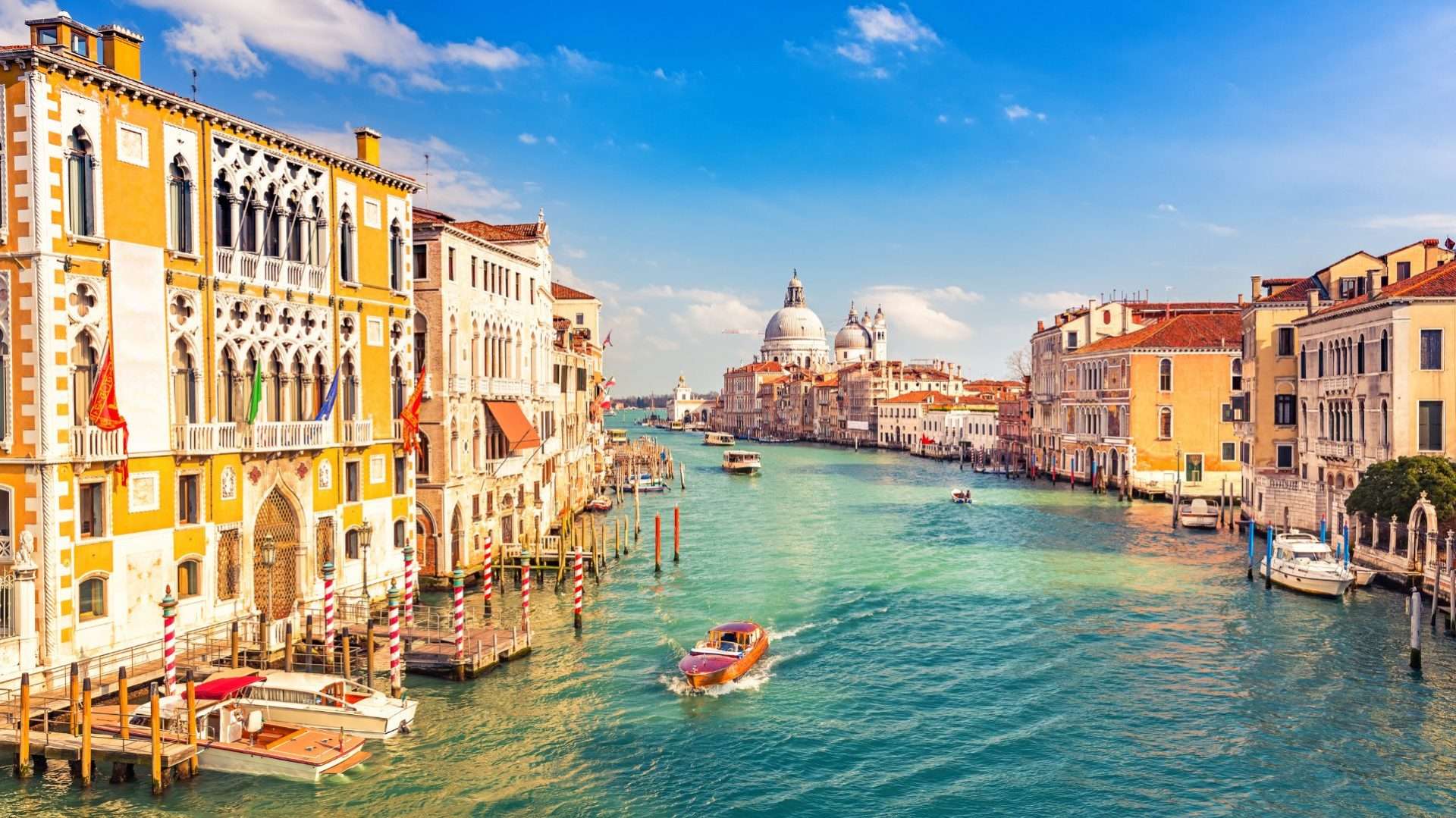
Here the choice is sharp and worth understanding, because it produces the most regret. Insular Venice is unique in the world, but it’s also a city emptying of residents — the historic centre has fallen from over 170,000 people after the war to 47,625 residents as of 31 December 2025, 864 fewer in a single year — living with high water, humidity and non-stop tourism, only partly eased by the MOSE barriers and the access fee. Living there means high costs and logistics by boat and cart: it works for those who choose it fully aware, not for those who imagine it. The mainland — Mestre, Marghera, the belt towns — is the practical Veneto: more accessible prices, trains, ring road and airport close by, the lagoon a quarter-hour tram ride away. In May 2026 the province of Venice is the region’s most expensive to buy (€2,748/m²) and to rent (€17.6/m² in June 2026), but the average hides a huge gap between island and mainland. Between Padua and Venice, along the river, the Riviera del Brenta lines up the Venetian villas built between the 16th and 18th centuries by Venice’s patricians — from Villa Pisani in Stra to the Palladian houses — in one of Italy’s most beautiful historic residential corridors.
The Belluno Dolomites, the Cadore and the alternative to the elite mountains
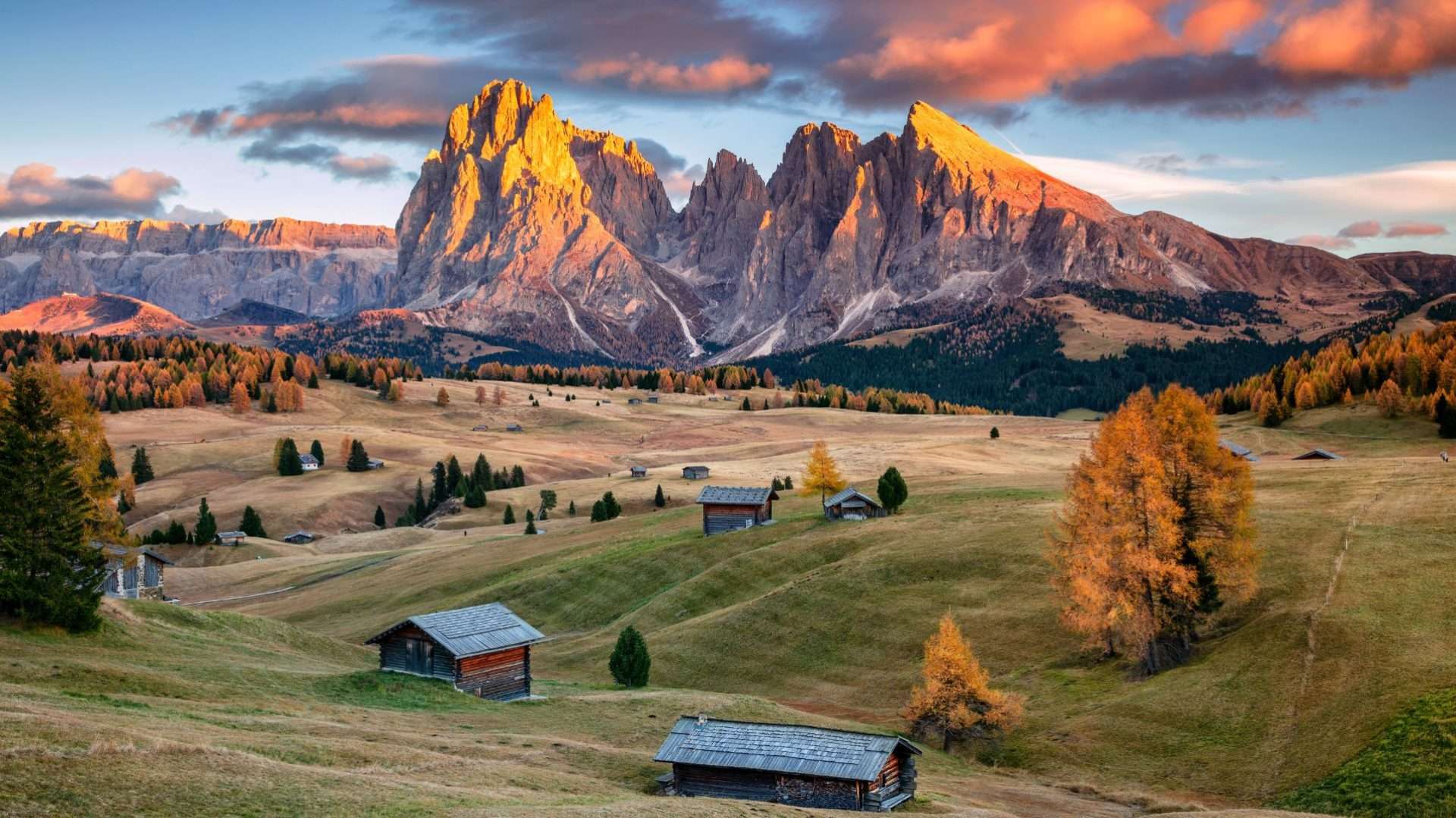
Veneto’s mountains deserve their own discussion, and we take it up in the next section because it’s the most interesting property story of the moment. But one practical note already: Cortina is not the whole of Veneto’s mountains. Around the Olympic resort sit the Cadore, the Agordino, the Asiago Plateau (in the province of Vicenza) and the Lessinia (above Verona), with the same air and the same scenery at a fraction of the price. This is where people who want the mountains to live in, not to invest in, are looking.
Rovigo and the Po Delta: the most affordable Veneto
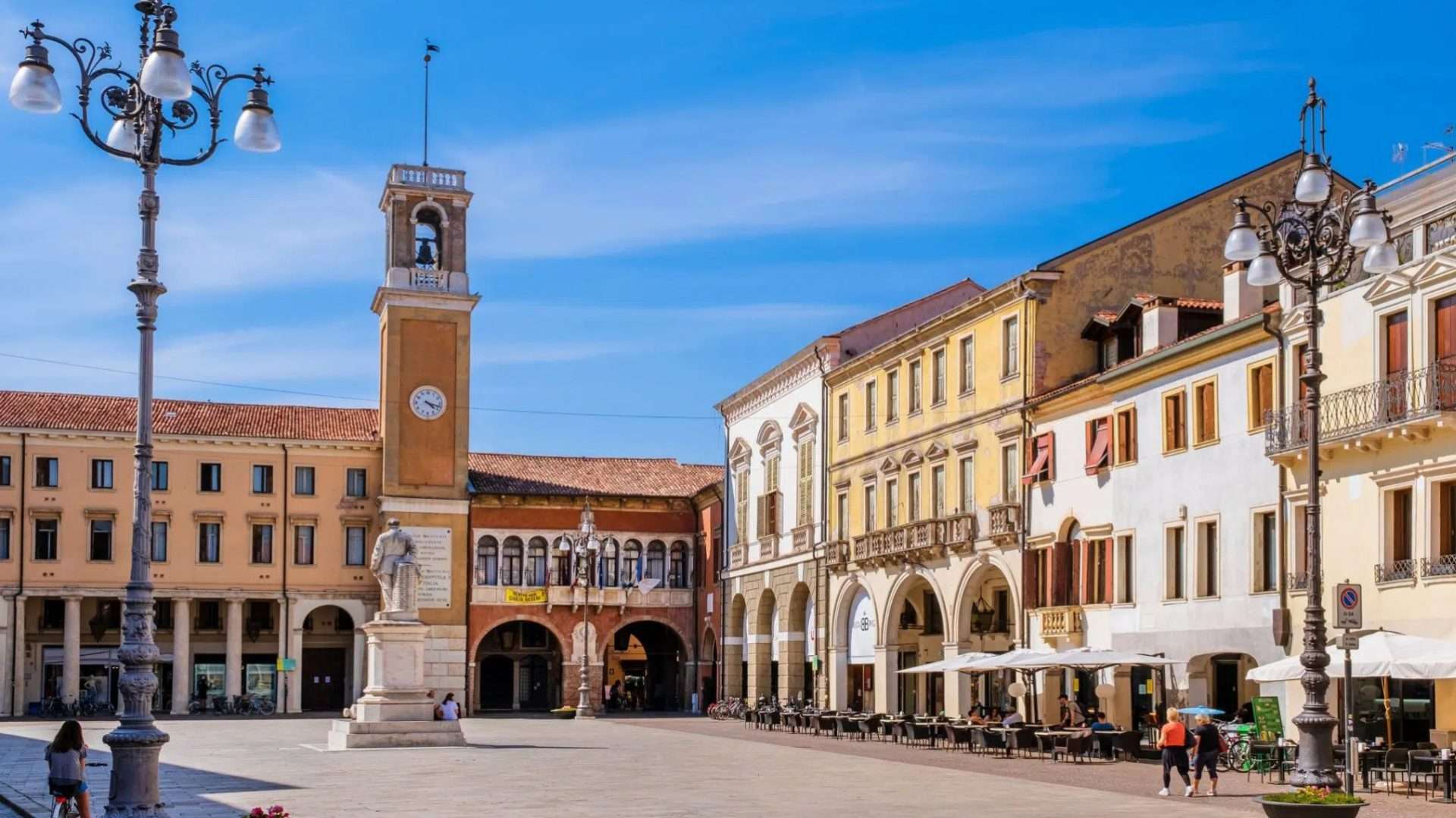
Finally there’s the Veneto almost no one talks about: the Polesine, the province of Rovigo, the only one in Veneto with average prices below €1,000/m² (€960/m² in May 2026). It’s a plain of water flowing into the Po Delta, a UNESCO Biosphere Reserve, among embankments and silence. It lacks the international connections of the rest of the region, but for those seeking space, nature and a contained budget it’s the cheapest way into Veneto.
The Dolomites case: why mountain investment has exploded
If one story explains Veneto’s property market in 2026, it’s the mountains. The Milan-Cortina Winter Olympics, held in February 2026, put a global spotlight back on Cortina d’Ampezzo and the Dolomites. With the Games over, though, the market is running slower than the headlines suggest: in July 2026 Cortina prices were up 2.5% year on year (borsinoimmobiliare).
In the five years before the event, according to north-east business press, over 20,000 purchase enquiries came in for property in Cortina, mainly from the United States, Northern Europe and the United Arab Emirates, with around 1,200 buyers ready to close immediately. Over the same period prime-segment prices rose nearly 45% versus 2019, settling at an average of about €12,600/m² (Real Estate Pambianco, June 2026), while the whole Italian Alpine arc gained roughly 40% on pre-pandemic levels. And the run isn’t over: the share of foreign-owned property in Cortina is expected to double over the next two years.
The effect doesn’t stop at the Olympic resort. The Games’ legacy — new lifts, roads, upgraded hospitality — radiates onto the Cadore and nearby valleys, where the market has moved in Cortina’s wake but with still-accessible prices. For an investor the reading is clear: Cortina is now an elite safe-haven asset, the Cadore is the bet on value. For those seeking a home to live in, the same mountains offer alternatives — Agordino, Asiago, Lessinia — where the scenery is identical and the bill much lighter.
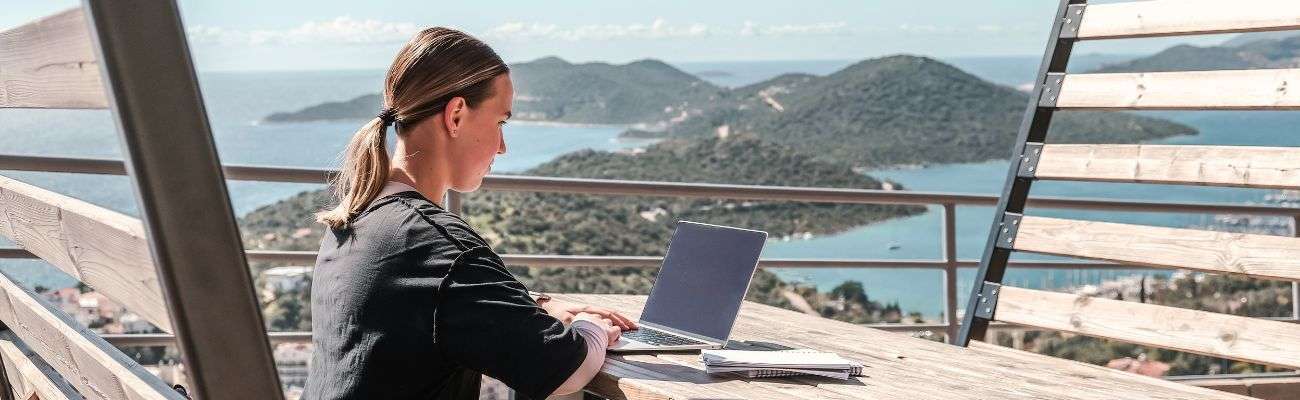
There’s also a quieter but structural shift that changes the very meaning of “living in the mountains”. More and more remote workers are choosing the Dolomites to escape the city: the Belluno Dolomites are described as a new frontier for digital nomads (Bellunopress, June 2026), and policy is backing the trend with Italy’s Mountain Law 131/2025, which offers incentives for remote work in mountain municipalities. It’s no longer just the holiday home: for those who bring their own work, it’s a quality-of-life choice.
Where to live in Italy as a digital nomad
Who is Veneto for?
There’s no single profile of those who choose Veneto: the region answers very different needs, and the common thread is one question — can this place carry my real life, not just my idea of change?
For retirees, Veneto isn’t the choice of extreme savings but of organised calm: the Verona shore of Lake Garda, the Verona hills, the Euganean Hills with their spas and the well-served plain around Padua offer a manageable climate, services close by and — decisively — healthcare among Italy’s best. The real question isn’t whether Veneto is beautiful, but whether it’s convenient over time. American retirees in particular will find the practicalities in our guides on retiring in Italy and the best places to retire in Italy.
Considering the move as a retiree? The Silver Move path guides foreign and returning retirees: choosing the area, the Elective Residency Visa, healthcare registration and practical formalities.
For remote workers, Veneto offers perhaps Italy’s best balance of freedom and infrastructure: Verona, Padua and Venice-Mestre combine fast connections, coworking and an airport that reaches New York, with high-speed rail as the backbone. Then there’s the new card of the mountains, where the Belluno Dolomites draw those who want to work with the peaks in view. The best bases are gathered in our guide on where to live in Italy as a digital nomad.
Working remotely or bringing your profession to Italy? The Nomad Landing path follows those relocating with qualified work: the digital nomad visa or Elective Residency, residence setup and access to the inbound-workers regime.
For Italians returning home and for large estates, finally, Veneto is a return that doesn’t feel like a step back: to those coming back with children born abroad it offers an active economy, quality schools and healthcare — often in a journey that starts as an Italian roots trip and becomes a move — with the inbound-workers regime as the natural lever. At the opposite end, those with significant wealth view Garda, Cortina and prime Venice as an investment-and-residence market, with Investor Entry for those entering through investment and Elite Residency for residence under the new-residents flat tax.
Significant wealth, and you see Italy as residence and investment? Elite Residency structures the residence of large estates with the new-residents flat tax and Investor Entry pathways, handling every fiscal and asset step.
How much does it cost to live in Veneto? Home and rental prices by province
Veneto is not “cheap” uniformly: between the plain, the provincial capitals and prime areas the gaps are huge. According to idealista, in May 2026 the average asking price to buy in Veneto is €1,917/m² (+8.3% year on year); for rentals, in June 2026, the average is €12.7/m² per month (+1.1% year on year). These are average asking prices, not deed prices: a compass to compare, not a verdict on a single town.
Average sale prices by province (idealista, May 2026)
| Province | Average sale price €/m² | Annual change |
|---|---|---|
| Belluno | €1,968 | + 4.5% |
| Padua | €1,846 | + 9.9% |
| Rovigo | €960 | + 0.2% |
| Treviso | €1,816 | + 9.1% |
| Venice | €2,748 | + 5.6% |
| Verona | €2,409 | + 10.9% |
| Vicenza | €1,476 | + 5.3% |
Rovigo is the only province below €1,000/m²; Venice and Verona lead above €2,400. Belluno’s average (€1,968/m²) is misleading: it blends ordinary towns with the Cortina anomaly, where prime property exceeds €12,000/m².
Average rents by province (idealista, June 2026)
| Province | Average rent €/m² per month |
|---|---|
| Belluno | €25.4 * |
| Padua | €12.6 |
| Rovigo | €8.2 |
| Treviso | €11.7 |
| Venice | €17.6 |
| Verona | €12.6 |
| Vicenza | €10.6 |
* Belluno’s figure is distorted by short-term tourist lets in Cortina and the Dolomites: it is not the real cost of a year-round residential rental on the Belluno plain.
Illustrative simulation: 80 m² flat and 140 m² house
| Province | Buy 80 m² | Buy 140 m² | Rent 80 m²/month |
|---|---|---|---|
| Padua | €147,680 | €258,440 | €1,008 |
| Rovigo | €76,800 | €134,400 | €656 |
| Treviso | €145,280 | €254,240 | €936 |
| Venice | €219,840 | €384,720 | €1,408 |
| Verona | €192,720 | €337,260 | €1,008 |
| Vicenza | €118,080 | €206,640 | €848 |
The table shows something often missed: opposite markets coexist in Veneto. With the budget of a one-bedroom flat in Venice you can buy a whole house in the Polesine or the Vicenza hills. Practical steps for buying are in how to buy a home in Italy from abroad and, for financing, in how to get a mortgage as a foreigner in Italy; sourcing the property with due diligence is the heart of the Property Finder service. The wider national comparison is in the guide to the cost of living in Italy for foreigners.
How does healthcare work in Veneto for those relocating?
For anyone arriving at retirement age, healthcare isn’t a detail: it’s a pillar of the decision. And here Veneto plays a strong hand, as it consistently ranks among Italy’s most efficient regions for health services, with centres of excellence such as the Padua University Hospital and referral facilities in Verona and Negrar. The right question isn’t generic (“does healthcare work?”) but concrete: how close am I, in real time, to what I actually need? That’s why the wise approach chooses the area first and the home second.
Residents entitled to enrol access the National Health Service (SSN); those not entitled through work — for example an Elective Residency Visa holder — can enrol voluntarily by paying an income-based annual contribution, with a minimum of €2,000 a year (€700 for students), or take out private insurance. A concrete example: a foreign income of €30,000 would produce a calculated contribution of about €1,900, which cannot fall below the €2,000 minimum. The comparison of options is in the guide to healthcare in Italy for foreign retirees.
Healthcare in Italy for foreign retirees

What climate should you really expect in Veneto?
Veneto’s climate is less “Mediterranean” than many imagine, and above all it is not uniform: three different climates coexist in one region. Lake Garda has a mild microclimate that even ripens olives and lemons, with gentle winters and warm but breezy summers. The plain — Padua, Rovigo, the Treviso area — has humid, muggy summers and winters of fog and damp cold: nothing prohibitive, but far from the sunny image of the South, and anyone who suffers humidity will feel it. The Belluno mountains have an Alpine climate, with snowy winters and cool summers. The classic mistake is to fall in love with Veneto in a single season.
Getting there and around: airports and high-speed rail
Connections, in a move, are quality of life, not a technicality. The reference point is Venice Marco Polo (VCE), which in 2025 passed 11.8 million passengers and, with Verona and Treviso, drives the north-east airport group beyond 19 million. Flights to New York (JFK with Delta, Newark with United) have become year-round, and summer 2026 adds direct routes to Atlanta, Philadelphia, Dallas, Washington, and in Canada to Toronto and Montréal: for those keeping North American ties it’s a rare advantage in Italy. Verona Villafranca (VRN) and Treviso (TSF) complete the picture on European routes. On the ground, high-speed rail puts Verona, Padua and Venice on the same line, with Milan and Bologna just over an hour away; the A4 (Turin-Trieste) and A22 (Brenner) motorways close one of Italy’s most efficient networks.
Doing business and networking in Veneto
Veneto is one of Italy’s most entrepreneurial and export-oriented regions, and for anyone arriving with a work project that matters as much as the scenery. Its economy is built on world-renowned specialised districts: eyewear in the Belluno area (Luxottica is based in Agordo), the Vicenza goldsmith district with the international Vicenzaoro fair, luxury footwear along the Riviera del Brenta, the Montebelluna sportswear cluster, the Arzignano tanning district and, of course, wine, from Prosecco to Amarone. In Verona, the Quadrante Europa freight interport is one of Europe’s largest logistics hubs. For an entrepreneur or professional it means a dense ecosystem of suppliers, trade fairs and networks to plug into — networking opportunities hard to find elsewhere. Those launching an innovative business can look at the Italy Startup Visa, while those entering through capital will find the terms in the Investor Entry path.
What tax breaks does Veneto offer to those who relocate?
Veneto offers three important tax levers, each for a different profile. The Elective Residency Visa (ERV) is the route for those with stable passive income who want to live without working: the rules set no exact figure and each consulate applies its own threshold, which in practice sits at around €31,000-32,000 a year in passive income and should be checked on the website of the consulate covering your area — full detail in the Elective Residency Visa guide. The inbound-workers regime taxes only 50% of employment or self-employment income produced in Italy for five years, for qualified workers and returning Italians. And for large estates, the new-residents flat tax (Article 24-bis TUIR) is a flat substitute tax raised to €300,000 a year for transfers from 1 January 2026 (it was €200,000 until December 2025), plus €50,000 per family member.
One useful clarification, because it’s the most common misconception: unlike Southern Italy, Veneto does not offer the 7% flat tax for foreign pensioners, which is reserved for towns of up to 30,000 inhabitants in the South. Anyone moving to Verona or Garda counting on the 7% starts from a false premise: here the reliefs are the ERV, the inbound-workers regime and the new-residents flat tax. Tax, in any case, helps a choice that already makes sense; it doesn’t replace it.
What are the real downsides of moving to Veneto?
An honest article can’t skip the flip side. The first difficulty is the cost of housing: those arriving with Southern prices in mind are caught off guard by Verona, Venice, Garda and Cortina. The second is mass tourism: Venice and some Garda resorts experience overtourism, with effects on rents and liveability in peak months. Then the climate, less sunny than expected, between humidity and winter fog on the plain. Finally, as everywhere in Italy, bureaucracy, which demands method and patience. None of these obstacles is insurmountable, but they should be factored in beforehand, not after.
How to organise the move the right way
The trick is to reverse the order almost everyone follows. Not “I see a house and I move,” but:
- Life structure first. How much work, how much closeness to services, what relationship with the climate and seasonal tourism.
- Then the area. The one that carries that life with least friction, weighing healthcare, connections, real costs and distances in time, not kilometres — the gap between insular Venice and the mainland, or between Garda and the plain, is huge.
- The home last. And it almost always pays to rent before buying: on Garda and in Venice the gap between tourist impression and daily life is especially wide.
The full sequence — residence, healthcare, bank, documents — is in the practical guide to moving to Italy.
What are Veneto’s major international events?
The real quality of a place is also measured by the kind of year it gives you, and Veneto has one of Italy’s fullest international calendars. In Verona, the Arena di Verona Opera Festival turns the world’s largest open-air opera house (around 13,500 seats) into a global stage every summer: the 2026 edition, the 103rd, runs from 12 June to 12 September 2026. Also in Verona, in spring, Vinitaly (58th edition, 12–15 April 2026) brings around 90,000 visitors from 135 countries to Veronafiere. In Venice, the Lido hosts the International Film Festival, in its 83rd edition from 2 to 12 September 2026, flanked in alternating years by the Venice Biennale of Art and Architecture. No single event justifies a move; but together they describe a territory that stays at the centre of the world all year — a concrete value for those who live there.
Is it really worth moving to Veneto? Pros and cons
The pros are real and measurable: quality of life among Italy’s highest (three provinces in the top ten in 2025), excellent healthcare, an intercontinental airport, high-speed rail, and a rare variety of landscapes — lake, wine hills, art cities, mountains, delta — packed into little space. The cons must be said: housing costs high compared with the South, mass tourism in some areas, a climate less sunny than imagined. Living in Veneto isn’t difficult in absolute terms: it takes compatibility. If you want the extreme savings of the South or year-round sun, it will disappoint you. If you want organisation, services and north-east quality of life, the payoff can be very concrete.
Conclusion
Veneto rewards those who approach it clear-eyed and punishes those who choose it for an image. The difference between a successful move and one full of surprises isn’t the region’s beauty, but the method: understand which of the five Venetos is yours, choose the area that carries daily life, and only then the home — knowing that here the 7% doesn’t exist, while the ERV, the inbound-workers regime and, for large estates, the new-residents flat tax do. And there’s a lesson from the story of the moment, the Dolomites boom: value in Veneto isn’t where everyone is looking, but where the territory is still changing. Those who can read it — the Cadore beside Cortina, the hills beside the cities, the Polesine beside the lagoon — aren’t just buying a house when they move: they’re buying the right version of a region that has five.
- idealista — House sale price report, Veneto (May 2026 data).
- idealista — Rental price report, Veneto (June 2026 data).
- Il Sole 24 Ore — Quality of Life 2025, provincial ranking (December 2025).
- Agenzia delle Entrate — New-residents optional regime (Art. 24-bis TUIR).
- Real Estate Pambianco — Cortina, prime prices +45% since 2019 (June 2026).
- UNESCO — Prosecco Hills of Conegliano and Valdobbiadene, World Heritage since 2019.
Share on: