There are cities you visit—and cities you truly live in. Living in Trieste means being part of a unique setting at the crossroads of Italy, Slovenia, and Central Europe. Overlooking the Adriatic Sea and suspended between Latin, Slavic, and Mitteleuropean worlds, Trieste stands out as one of Italy’s most compelling destinations for those considering relocation or moving from abroad.
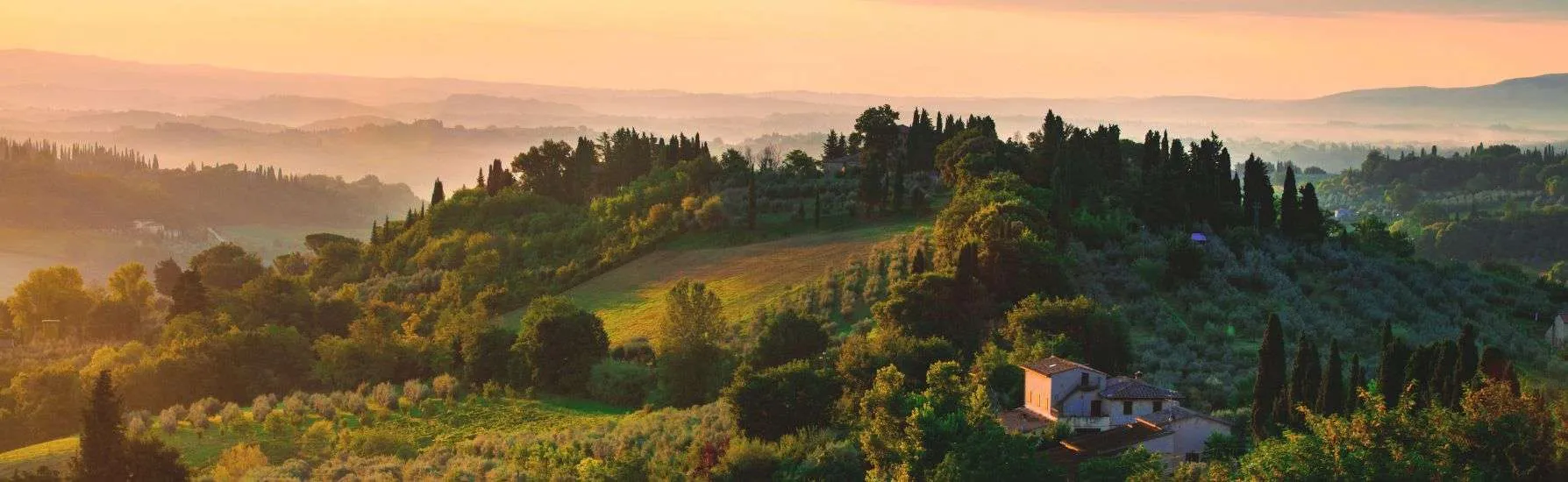
Here, quality of life is not just a statistic—it’s a tangible reality. The sea is just minutes from the city center, the Karst plateau (Carso) rises behind with scenic trails and open natural spaces, and a rich history has shaped a mindset defined by openness, cultural diversity, and dialogue between traditions. Nature and culture coexist in rare harmony, making Trieste a place where living becomes a complete experience.
Living in Trieste: Between Sea, Karst, and Urban Life
Trieste enjoys a strategic geographic position as a meeting point between Western Europe, the Balkans, and Central Europe. This unique location encourages cultural, economic, and linguistic exchange, making the city ideal for those seeking an international environment with strong connections.
Living in Trieste means experiencing this balance between nature and urban space every day. Within minutes, you can move from the Adriatic waterfront to the dramatic cliffs of the Karst, while the historic center preserves elegant Habsburg-era buildings, literary cafés, and cultural landmarks that reflect the city’s Central European heritage.
This constant dialogue between nature and culture creates a particularly balanced lifestyle for those seeking personal well-being, leisure, and a high quality of life. According to various studies and reports by institutions such as ISTAT and the Italian Revenue Agency, Trieste consistently ranks among the Italian cities with the highest quality-of-life indicators.
Trieste’s Historic Cafés and Landmarks
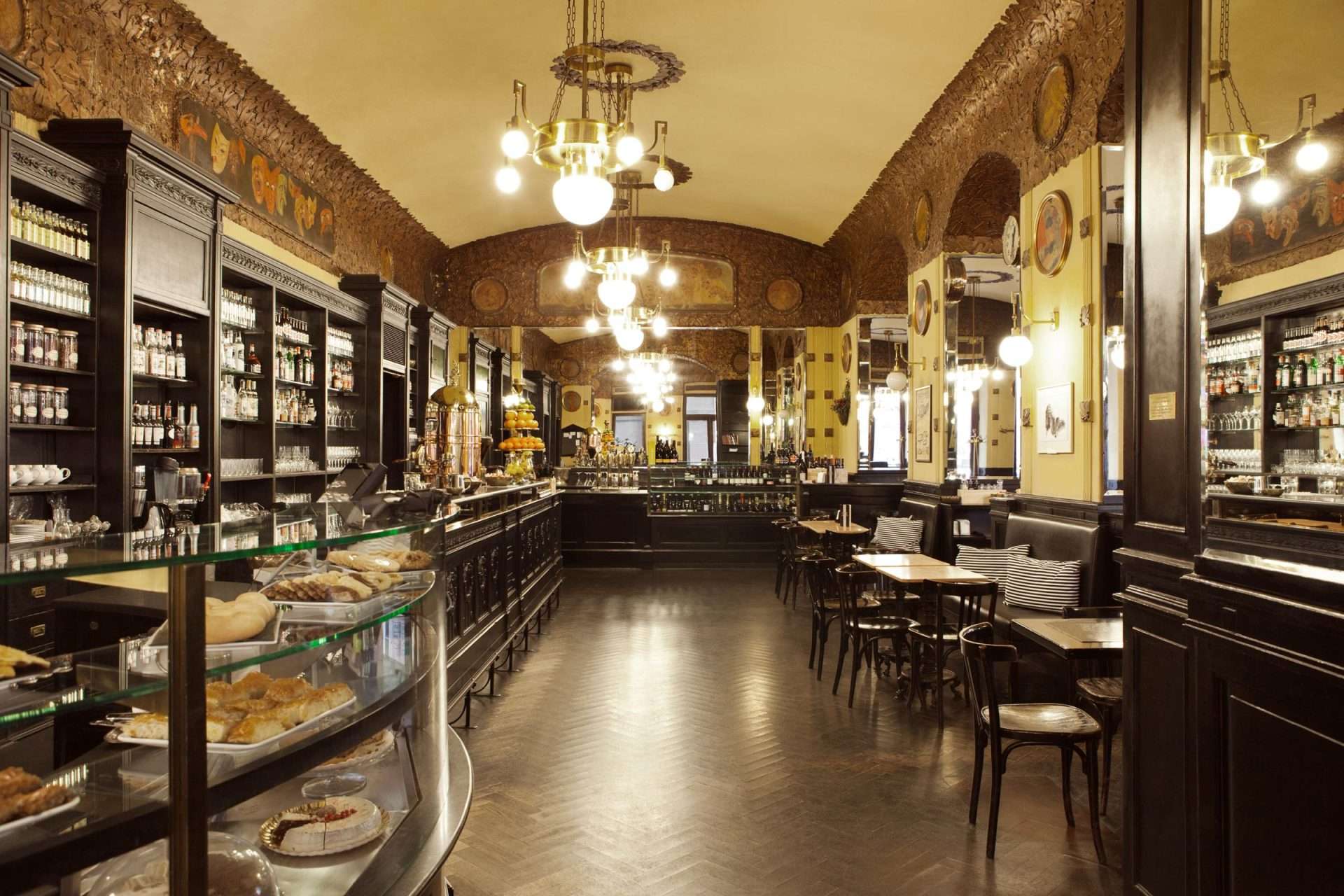
Trieste’s historic cafés are among the city’s most iconic features. They are not just places to enjoy coffee, but true cultural institutions where writers, artists, and intellectuals have gathered for centuries.
Venues such as Caffè San Marco and Caffè Tommaseo embody a still-living tradition, serving as meeting points where social and cultural life intertwine.
For newcomers from abroad, these cafés often represent the first contact with Trieste’s cultural identity, offering insight into its strong Mitteleuropean spirit and international vocation.
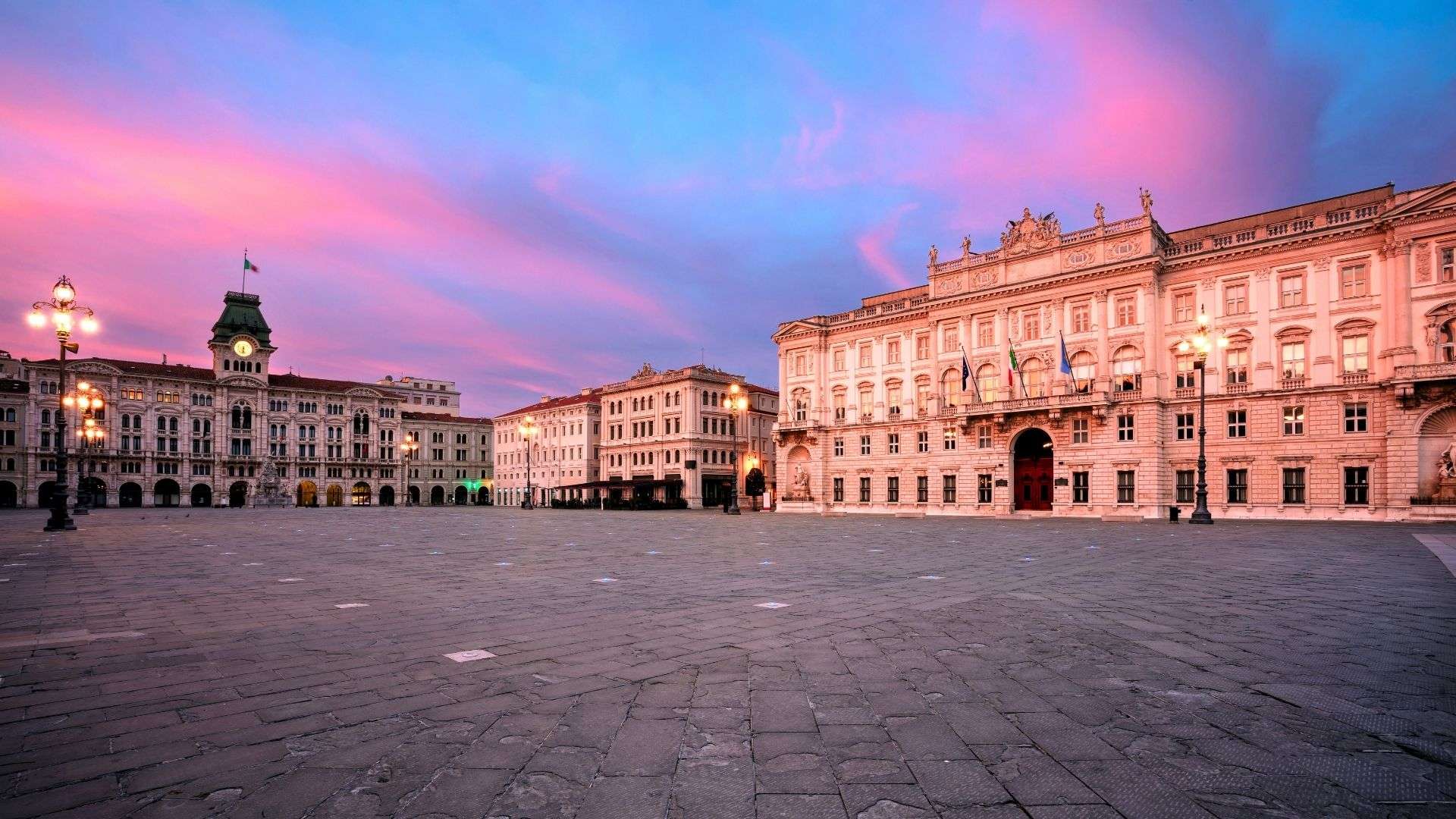
Walking through the historic center, these cafés blend seamlessly with the city’s major landmarks. Piazza Unità d’Italia, facing the Adriatic Sea, is the beating heart of Trieste and one of the largest and most striking seaside squares in Europe—a hub for cultural and social events.
The Castle of San Giusto, overlooking the city from above, tells centuries of history through its walls, cathedral, and museum, offering breathtaking views over the port and old town.
Other important landmarks include the Roman Theatre, a testament to the city’s ancient Roman origins, and the Cathedral of San Giusto, which preserves Trieste’s religious and artistic heritage.
Together, cafés, squares, and monuments define the character of Trieste, creating an environment where culture is an integral part of everyday life. Every walk through historic buildings, bookstores, and museums becomes a journey through time—between past and present, nature and modernity. It is no coincidence that we have included Trieste among the best destinations to retire.
Trieste Between Italy, the Balkans, and Central Europe
Living in Trieste means being at the heart of Europe. The city lies on the Adriatic coast at the border between Italy, Slovenia, and Central Europe. From here, it’s easy to reach major European capitals, alpine mountains, and some of the most beautiful Adriatic coastlines.
This strategic location makes Trieste an ideal base for exploring diverse regions—while always returning to a city that is elegant, safe, and deeply international.
Getting Around by Public Transport
Trieste is connected to the national railway network, with direct links to major Northern Italian cities. Venice can be reached in about 1 hour and 45 minutes, Udine in around one hour, and Ljubljana in approximately two hours.
The city’s public bus network, operated by Trieste Trasporti, connects the center with residential areas and the Karst plateau, ensuring efficient access to coastal towns.
By Car
Trieste is well connected to Northern Italy and Central Europe via major highways. The A4 motorway (Turin–Trieste) links the city to Milan and Venice, while the RA13 provides quick access to Slovenia and the Central European motorway network.
Lake Bled can be reached in about 1 hour and 30 minutes, the Julian Alps in under two hours, and the Istrian coast—with towns such as Piran and Poreč—in roughly 1 hour and 20 minutes.
Why Live in Trieste: Culture, Nature, and Sports
A Human-Scale City
In recent years, Trieste has attracted professionals, entrepreneurs, and expats for both personal and professional reasons. The city offers a compact urban layout, a stable real estate market, and fast connections to Austria, Slovenia, and key Central European economic corridors.
The Port and International Outlook
The Port of Trieste, one of the most important logistics hubs in the Mediterranean, reinforces the city’s global outlook and continues to attract foreign investment. This creates economic and professional opportunities for those choosing to live here.
Retirees in Trieste
Alongside professionals and entrepreneurs, an increasing number of retirees from German-speaking countries and Eastern Europe are choosing Trieste as their home. For many, it offers the nearest access to the sea combined with a vibrant cultural life—concerts, theater seasons, festivals—along with safety and a high quality of life.
Discover “Silver Move”: Impatria’s pathway to retire in Italy

Nature and Landscapes
Walking and Hiking on the Karst
From the city center, scenic trails and natural routes on the Karst plateau are just minutes away. Perfect for walking, jogging, or photography, these paths offer spectacular views of the Adriatic Sea and the city.
Cycling and Mountain Biking
Trieste features numerous cycling routes and mountain bike trails suitable for all levels. From the waterfront to the Karst hills, outdoor enthusiasts can enjoy safe and immersive experiences in nature.
Sports and Leisure Activities
Water Sports
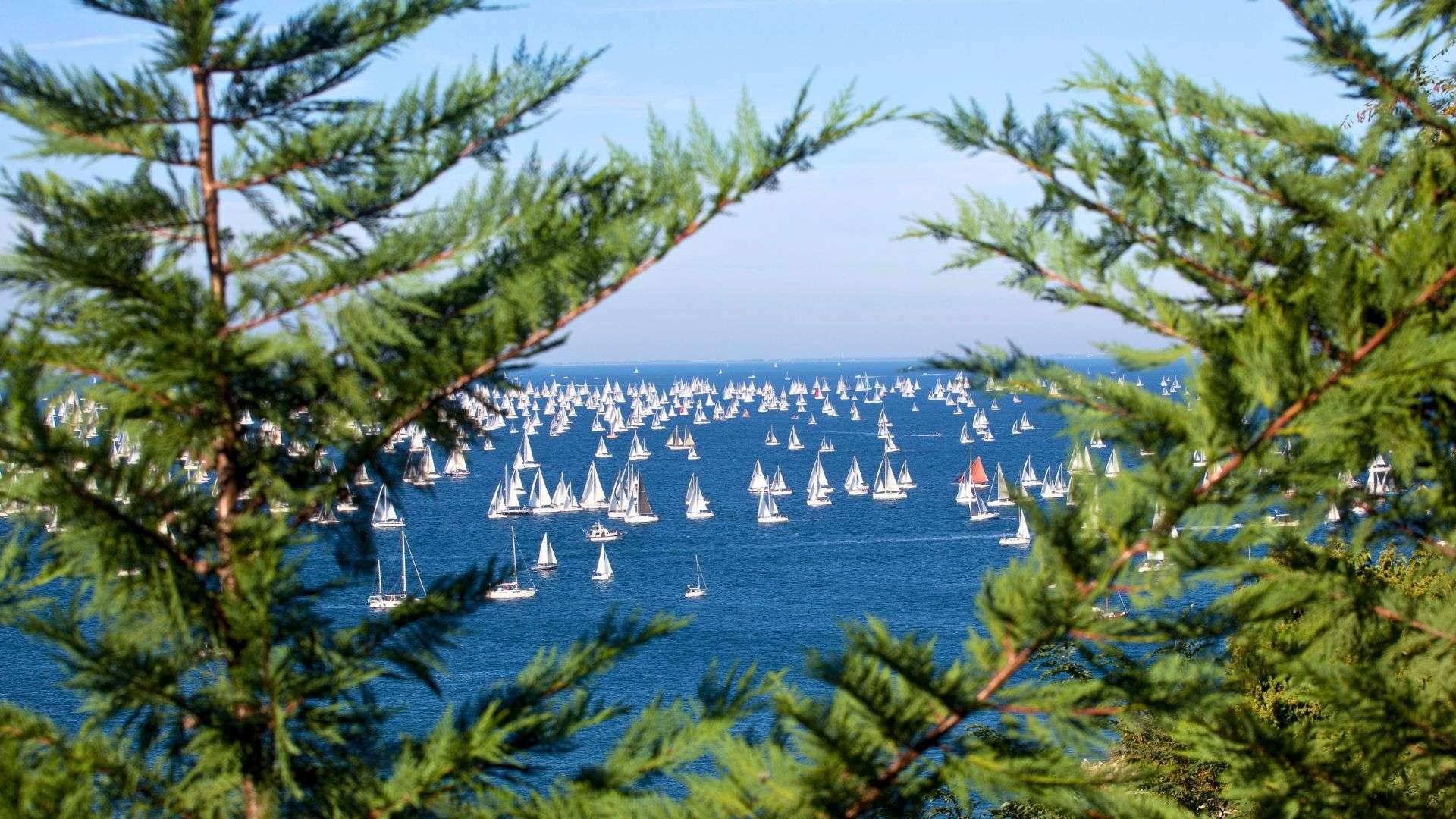
Thanks to its seaside location, Trieste is ideal for sailing, rowing, kayaking, and other water sports. Local sailing schools offer opportunities for both residents and visitors to enjoy these activities safely.
Other Sports
In addition to water sports, the city offers tennis, golf, climbing, fitness classes, and many other activities—making it easy to stay active, socialize, and enjoy the local environment.
Culture and City Life
Trieste has been home to major figures in European literature such as Italo Svevo, Umberto Saba, and James Joyce, and this cultural legacy remains deeply embedded in everyday life.
Theaters, museums, bookstores, opera seasons, and cultural events animate the city year-round, making culture a living, everyday experience for both residents and visitors.
Where to Live in Trieste
For families, the most recommended neighborhoods in Trieste include San Giacomo, Cologna, Roiano, and Servola.
- San Giacomo is a quiet and well-served area, with property prices ranging between €1,700 and €2,000 per square meter.
- Cologna stands out for its green, flat landscape and abundance of parks, with average prices around €1,800 per square meter.
- Roiano—along with nearby areas such as Gretta and San Giovanni—offers scenic views and access to green spaces, with prices averaging €2,200 per square meter.
- Servola, on the other hand, is an emerging district featuring modern housing options starting from €1,900 per square meter.
Overall, these neighborhoods provide an excellent balance of safety, services, schools, and access to green areas, making them ideal for family living.
Conclusion
Trieste is not just a travel destination—it’s a lifestyle choice. The city combines history, nature, culture, and international openness in a way that is hard to find elsewhere.
For those considering relocating to Italy with a long-term perspective, living in Trieste offers a real opportunity to improve both quality of life and professional context.
Want to learn more? Contact us for a personalized consultation and discover our relocation and expat services.
Share on:
Faq
Culture is deeply integrated into daily life in Trieste. Concerts, theater and opera seasons, museums, and historic bookstores constantly animate the city, while literary cafés remain hubs for discussion and exchange. This makes Trieste a stimulating place for both locals and international residents.
San Giacomo, Cologna, Roiano, and Servola are among the best options. They offer a balance of safety, services, schools, and green spaces, making them ideal for family life.
Yes. Many retirees from German-speaking countries and Eastern Europe choose Trieste for its seaside location, cultural vibrancy, safety, and high quality of life. Events, healthcare services, and a relaxed yet stimulating environment make it an excellent place for retirement.